Overview of Glp-1 Receptor Agonists In Pediatric Obesity
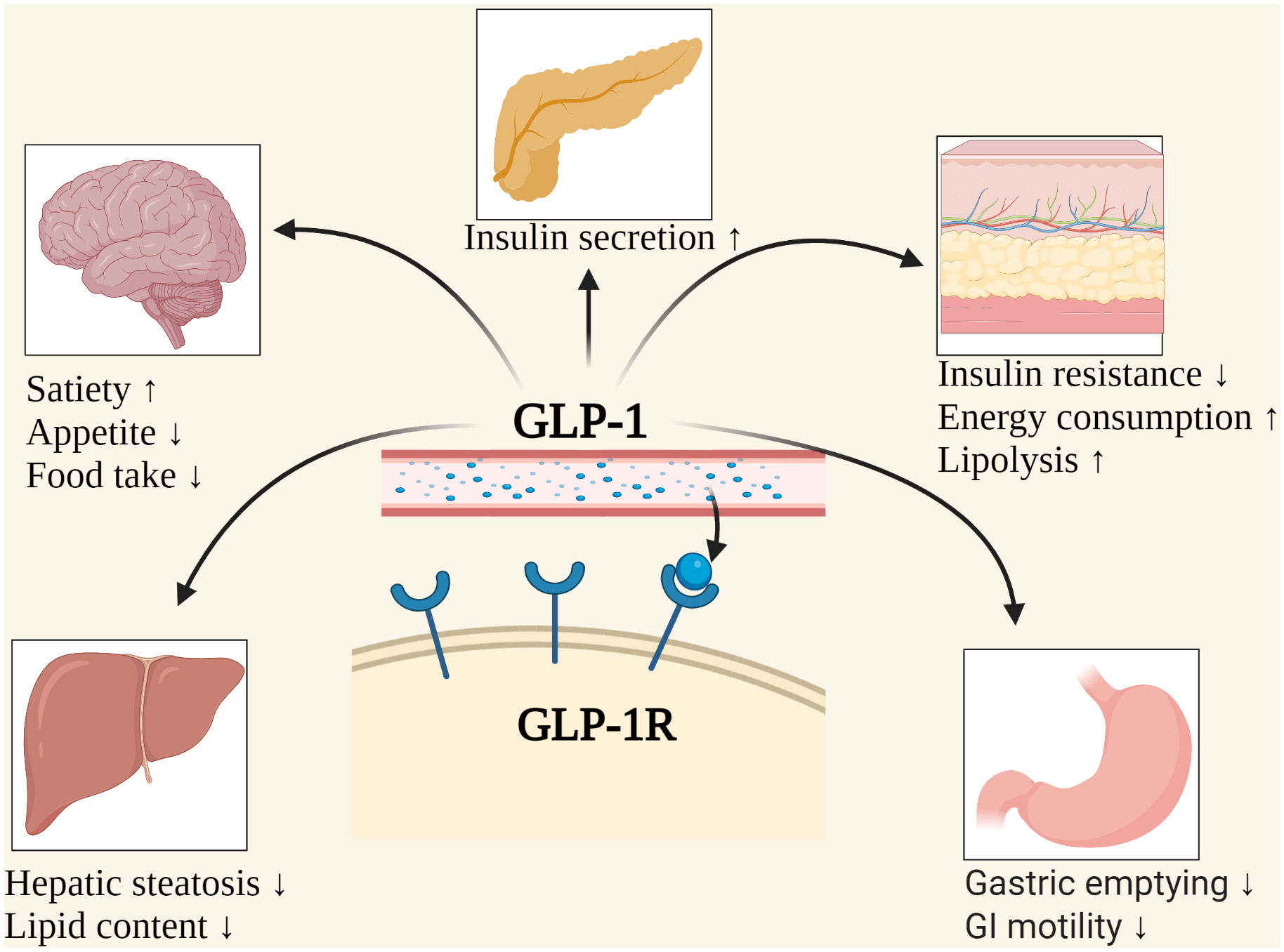
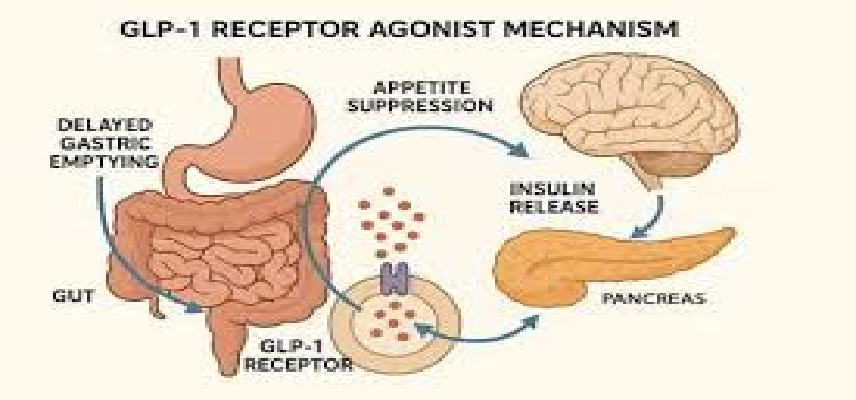
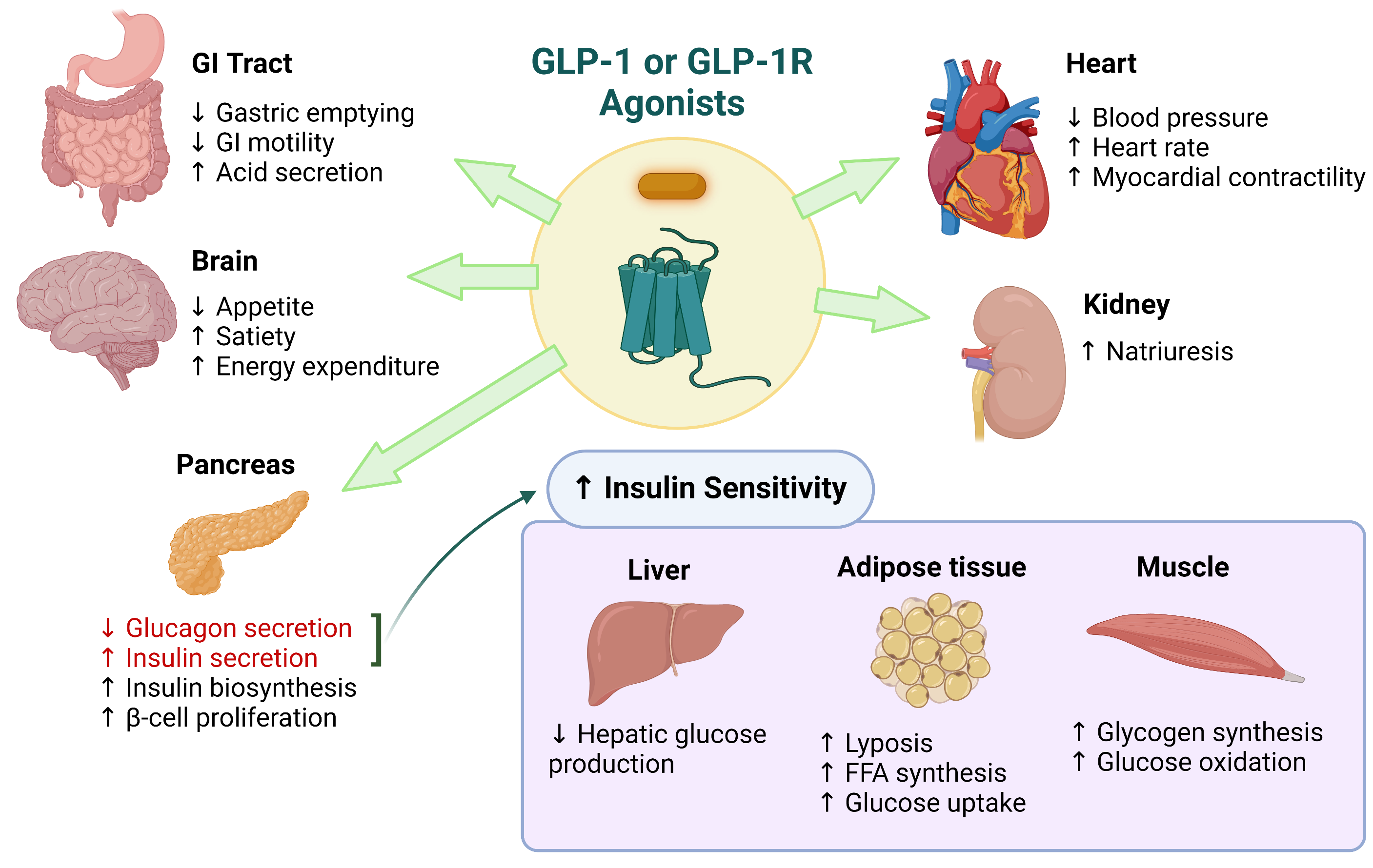
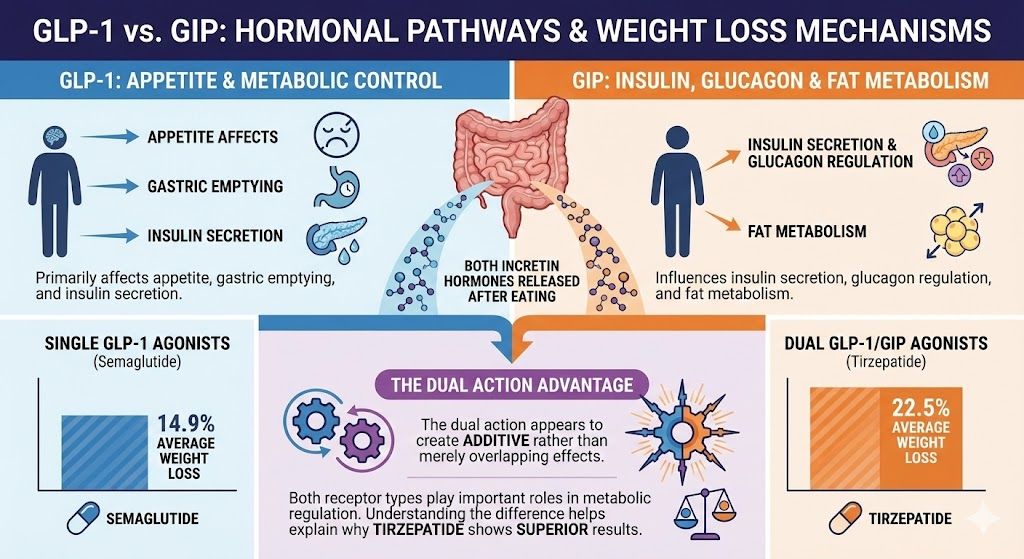
Obesity remains highly prevalent among children in the United States and is associated with an ever-increasing burden of obesity -related diseases. Effective pediatric obesity prevention and treatment will require both societal interventions and health care system innovation. One recent advancement is the approval of glucagon-like peptide-1 receptor agonists ( GLP -1RAs) for use in adolescents ...
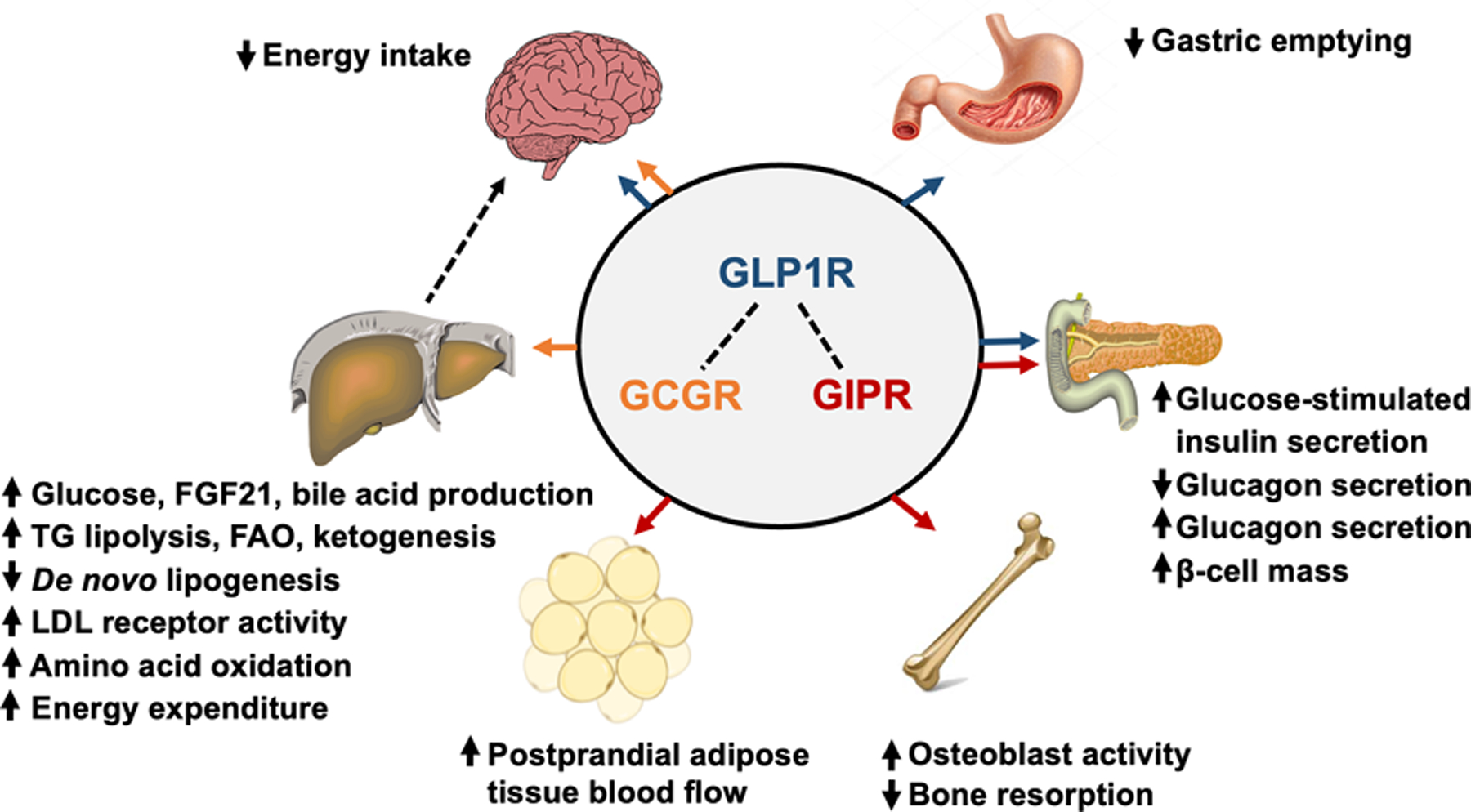
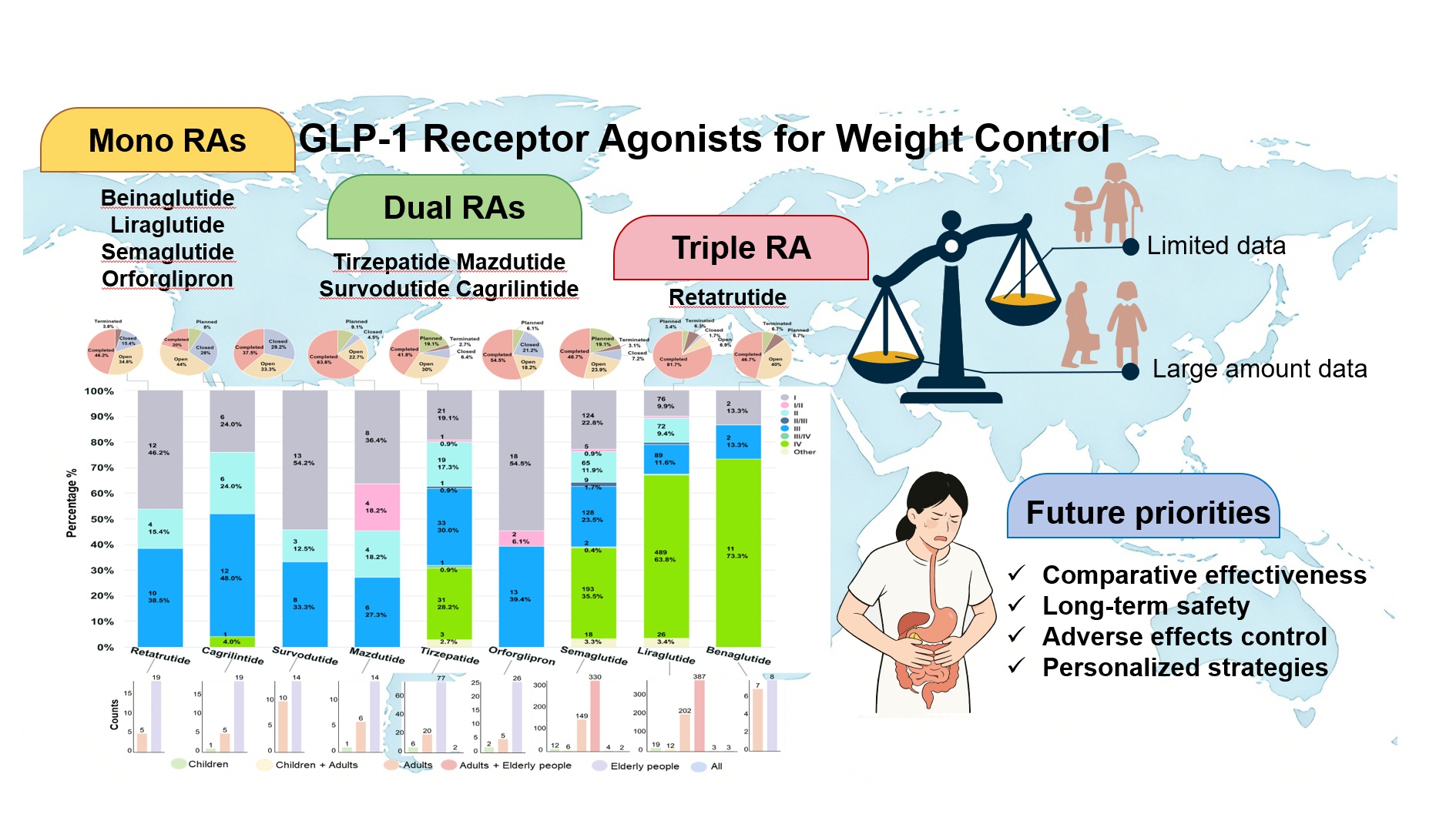
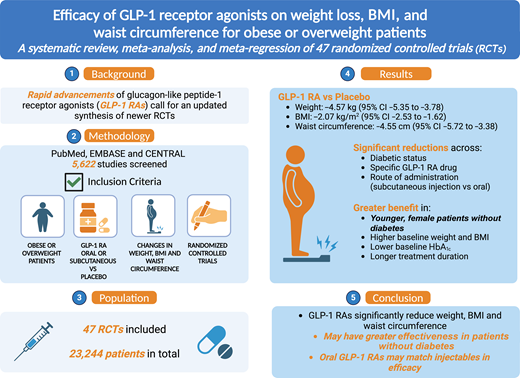
Background/Objectives: Glucagon-like peptide-1 receptor agonists ( GLP -1RAs) have emerged as a transformative therapy for obesity and type 2 diabetes (T2D) in pediatric populations. This review synthesizes current evidence on efficacy, safety, and ...

Key Details About Glp-1 Receptor Agonists In Pediatric Obesity
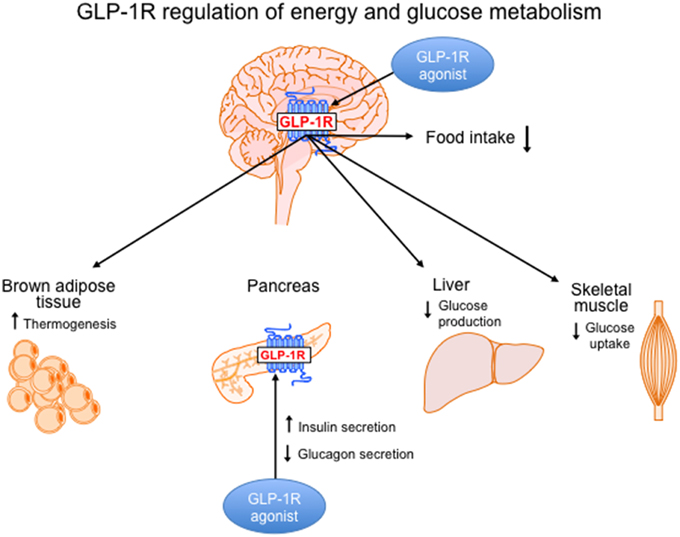
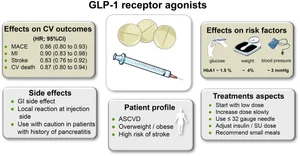
Summary Available evidence indicates that GLP-1 receptor agonists represent a promising pharmacotherapeutic option for the treatment of obesity in children and adolescents. Nevertheless, more comprehensive studies are needed regarding the long-term efficacy, safety profiles, and clinical positioning of these agents.
Additional Notes on Glp 1 Receptor Agonists In Pediatric Obesity
The GLP-1 Agonists and Obesity: How Diabetes Drugs are Changing Non. This note connects the source idea with the visuals in a simple, reader-friendly way.
Frontiers | GLP−1 receptor agonists for the treatment of obesity: Role. It gives the article a little more context before the image collection begins.
Transforming obesity: The advancement of multi-receptor drugs: Cell. This note connects the source idea with the visuals in a simple, reader-friendly way.
Looking at multiple sources also helps separate the main idea from small decorative details.
These notes are added so the page offers more than images and gives each visitor a clearer reason to keep reading.