Feline Upper Respiratory Infection (URI)
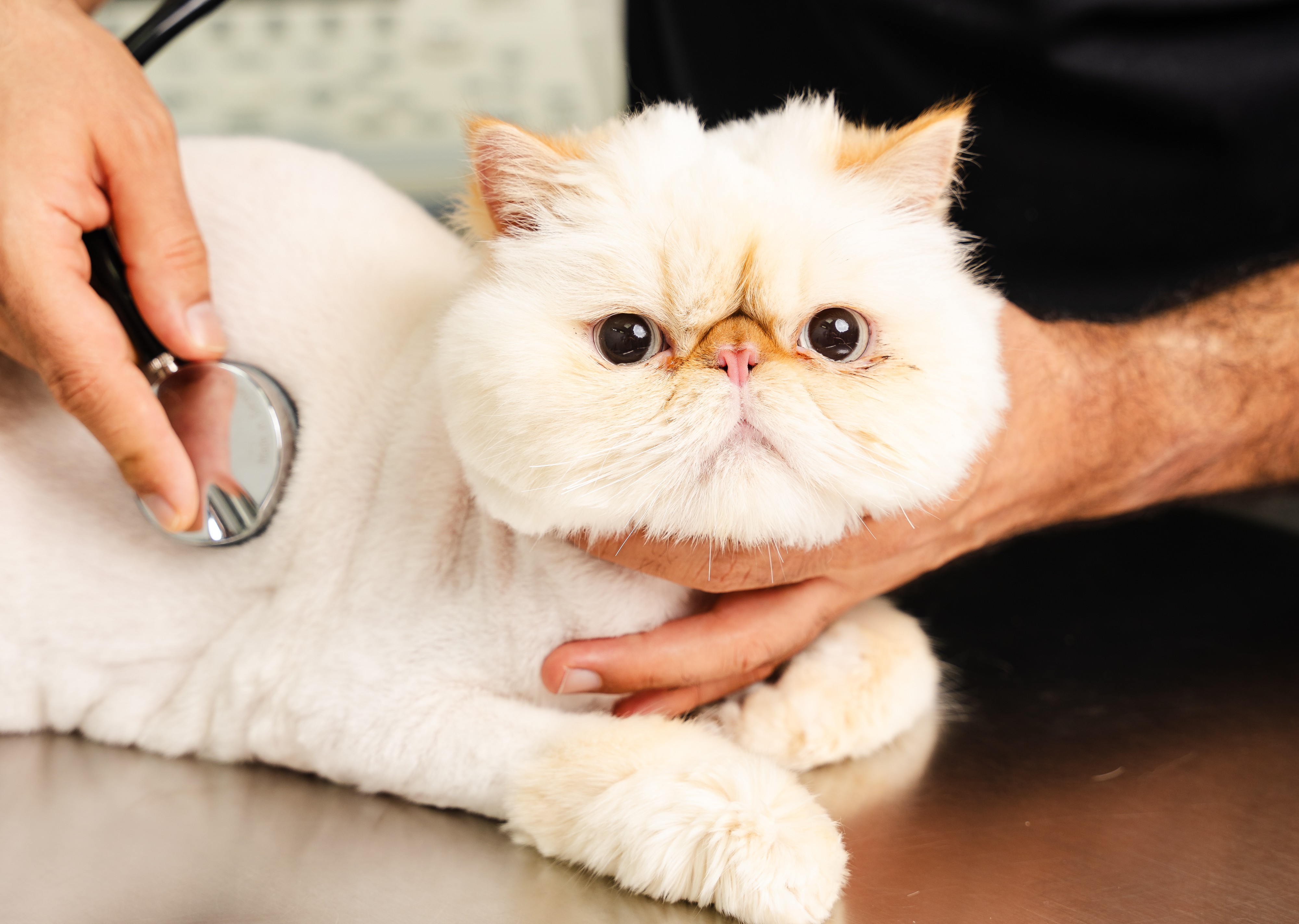
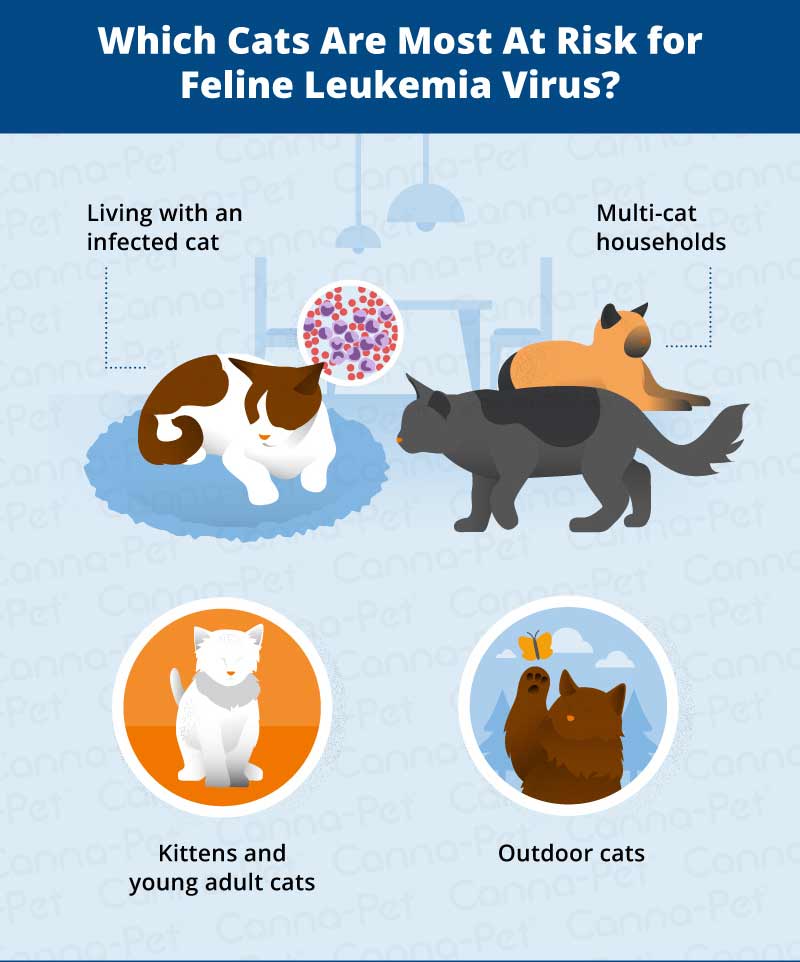
Risk Factors All cats are at risk for contracting an upper respiratory infection , particularly those living in a shelter environment. Young kittens and older cats are at risk for more severe cases of infection .

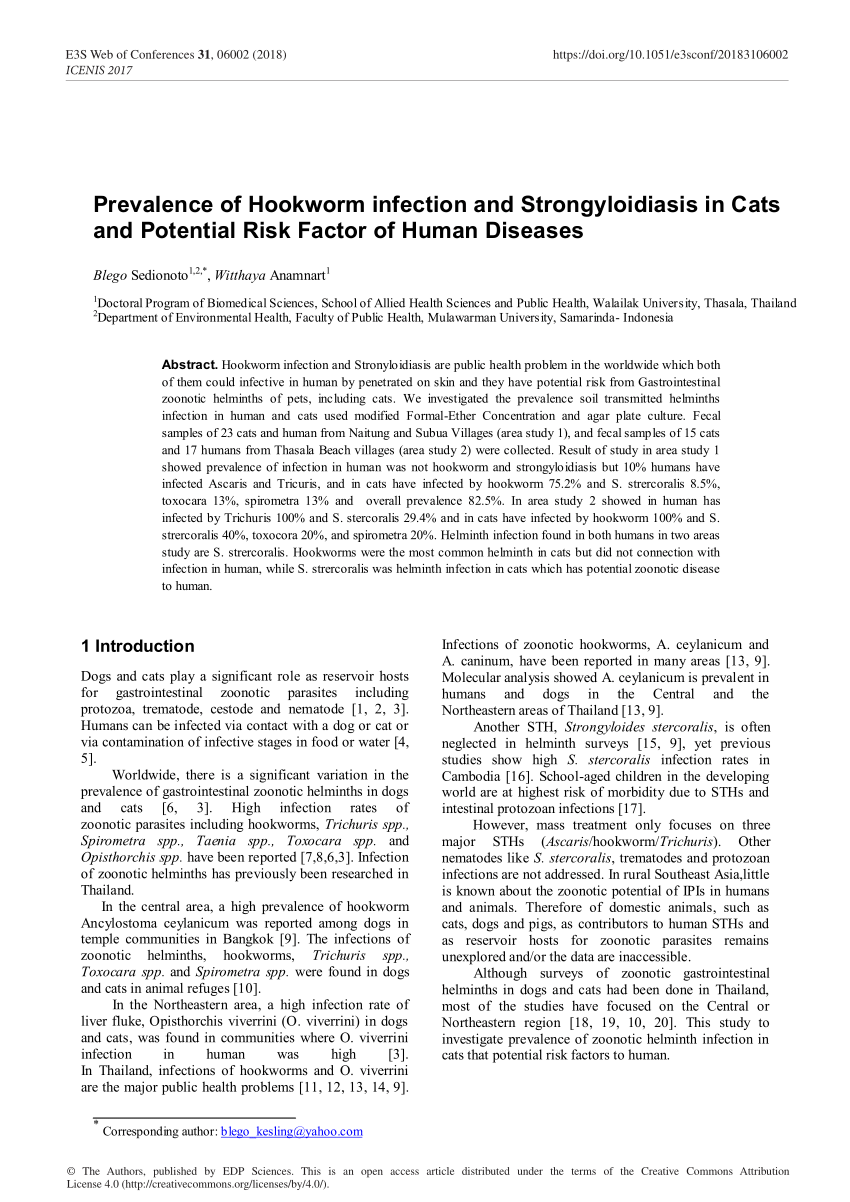
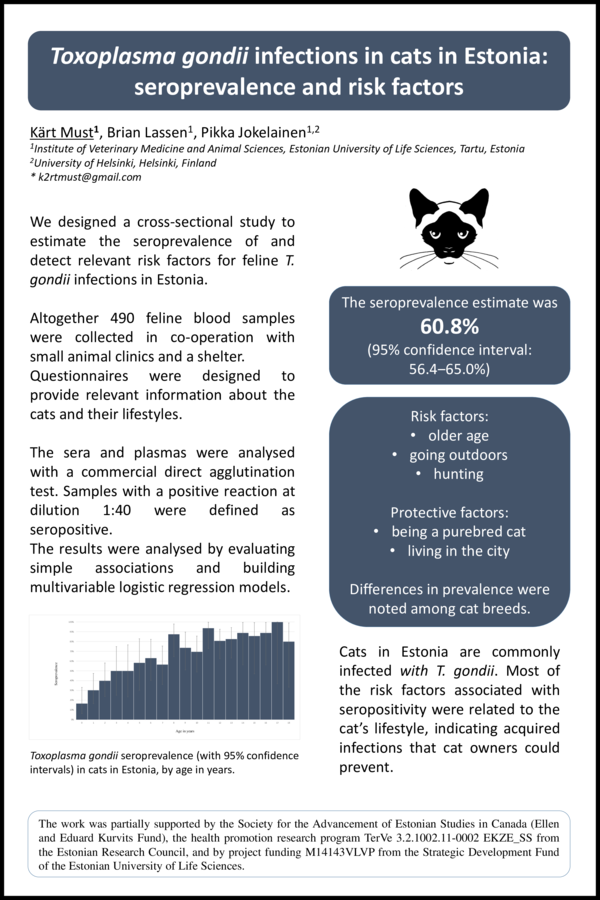
Due to their zoonotic potential and close interaction with humans, feline parasitic infections are an important public health concern. This study investigated 2758 domiciled and feral cats sampled across Mexico to assess the occurrence of parasites, coinfections, and associated risk factors . Twelve genera of parasites were identified, with Ancylostoma and Ctenocephalides being the most ...

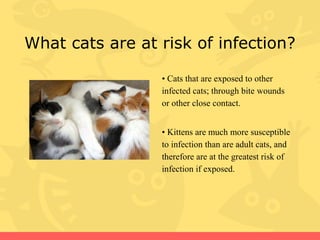
Such details provide a deeper understanding and appreciation for Infection Risk Factors In Kittens.
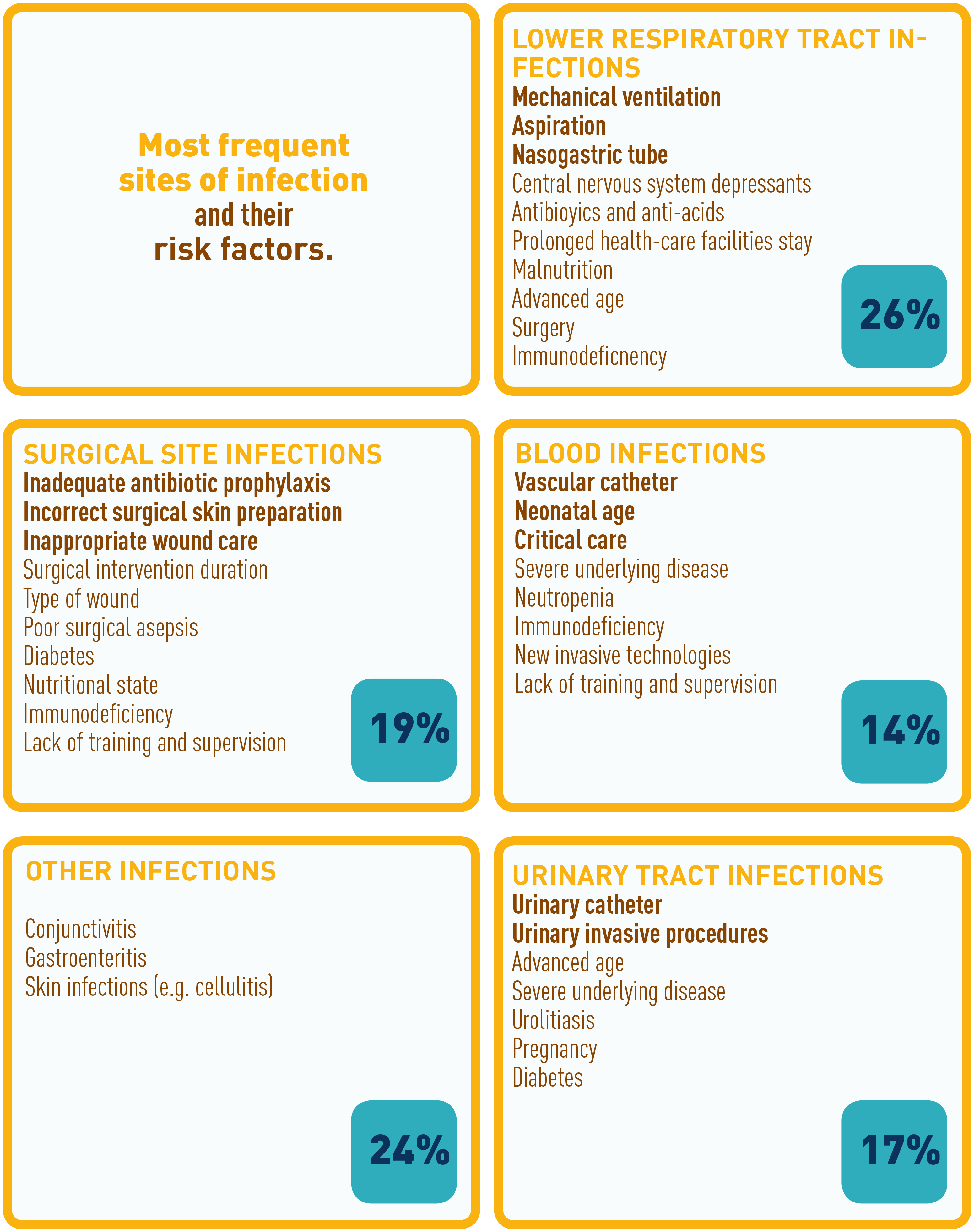
Risk factors for infections in dogs and cats
Recognize risk factors for infections in cats and dogs and prevent or correct them whenever possible. These include, but are not limited to: Urinary catheterization Intravenous catheters Wounds Environmental factors (i.e., stress, crowding, poor hygiene, transportation, temperature extremes, poor ventilation, and high humidity) Feline leukemia virus, feline immunodeficiency virus infection , or ...
Understanding Infection Risk Factors In Kittens Before the Gallery
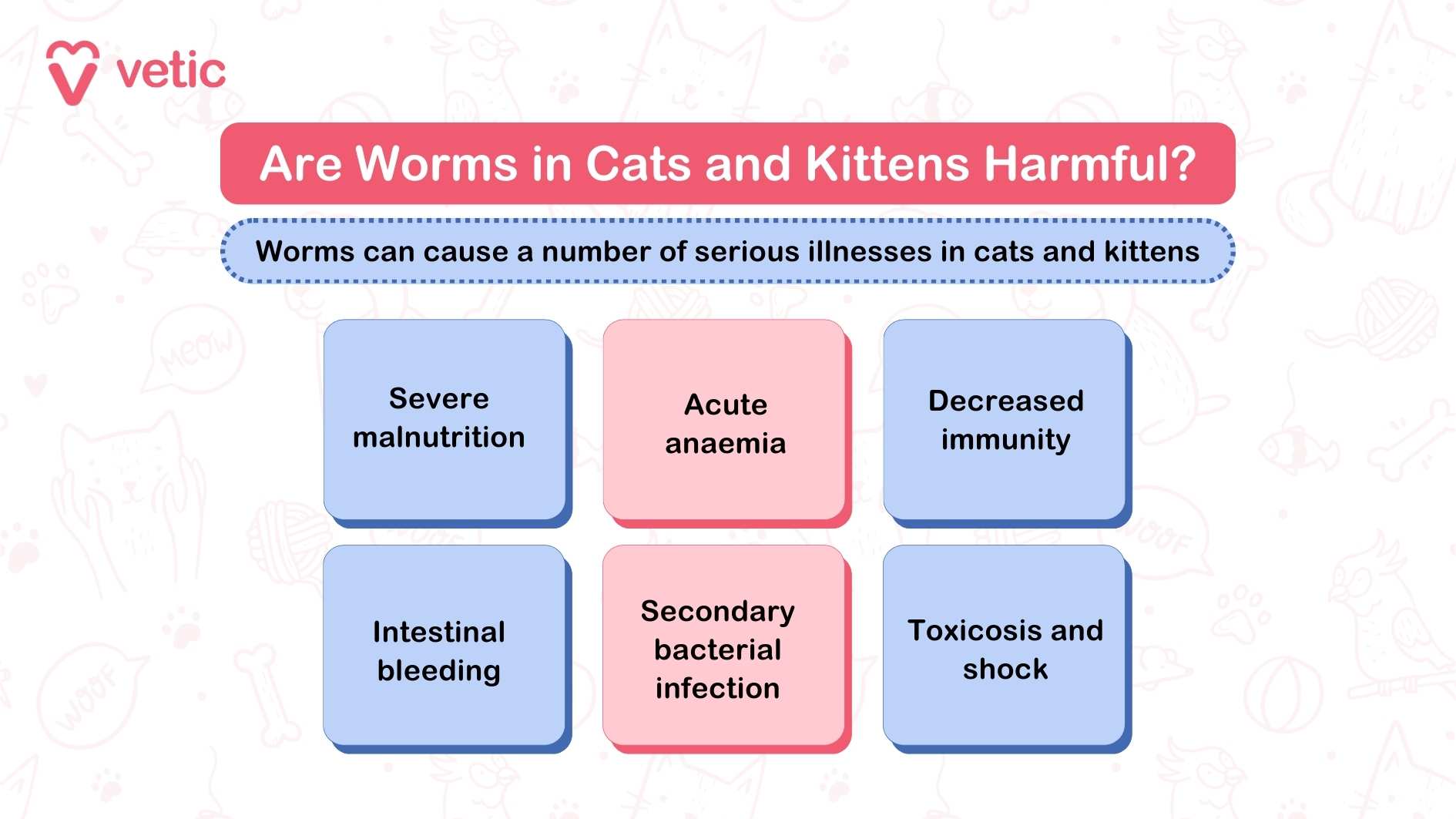
Deworming Your Cat: Types and Signs of Worms in Cats. This note connects the source idea with the visuals in a simple, reader-friendly way.
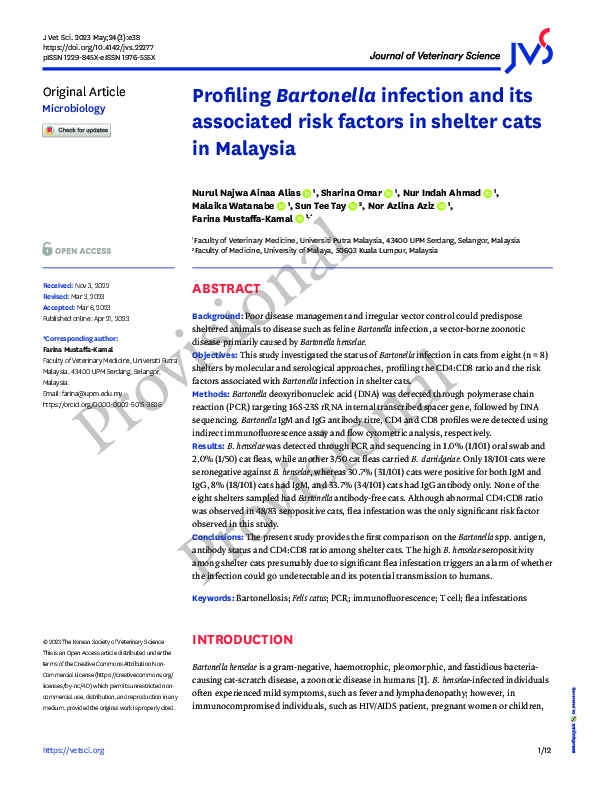
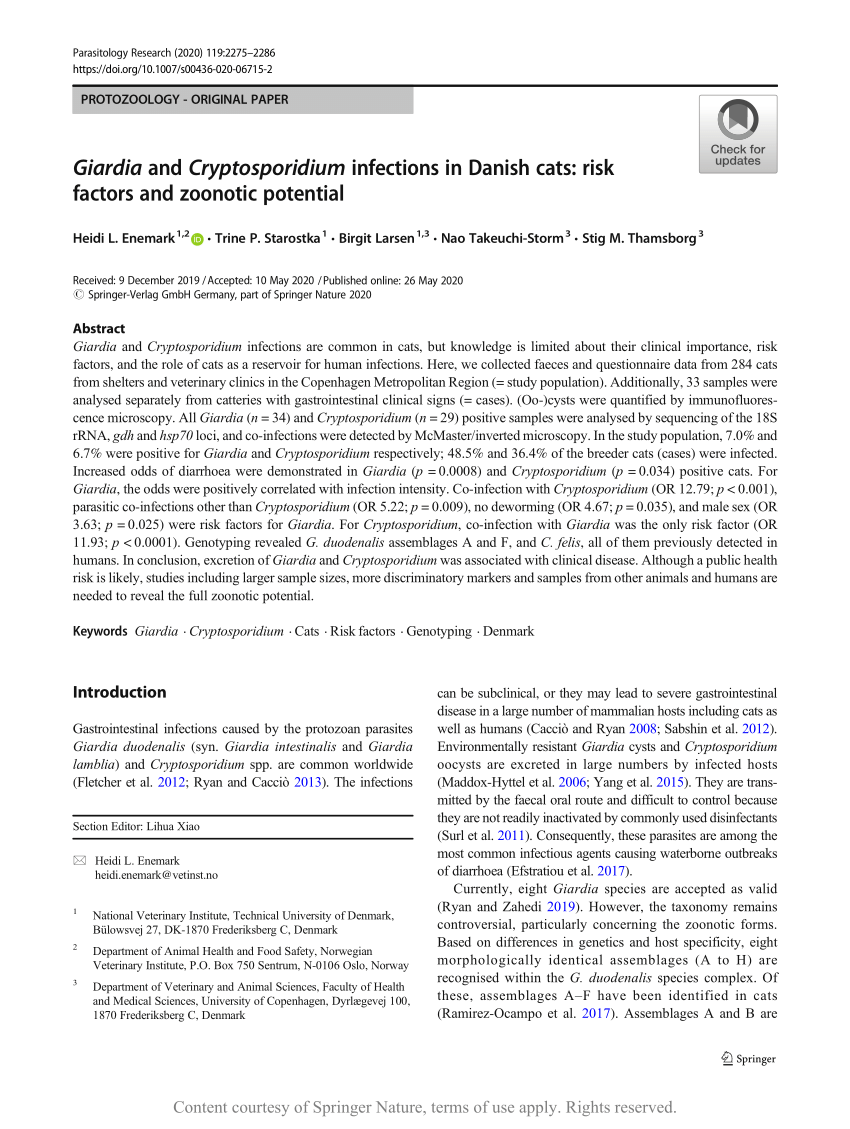
Risk factor analysis for hemoplasma infection in cats | Download. This note connects the source idea with the visuals in a simple, reader-friendly way.
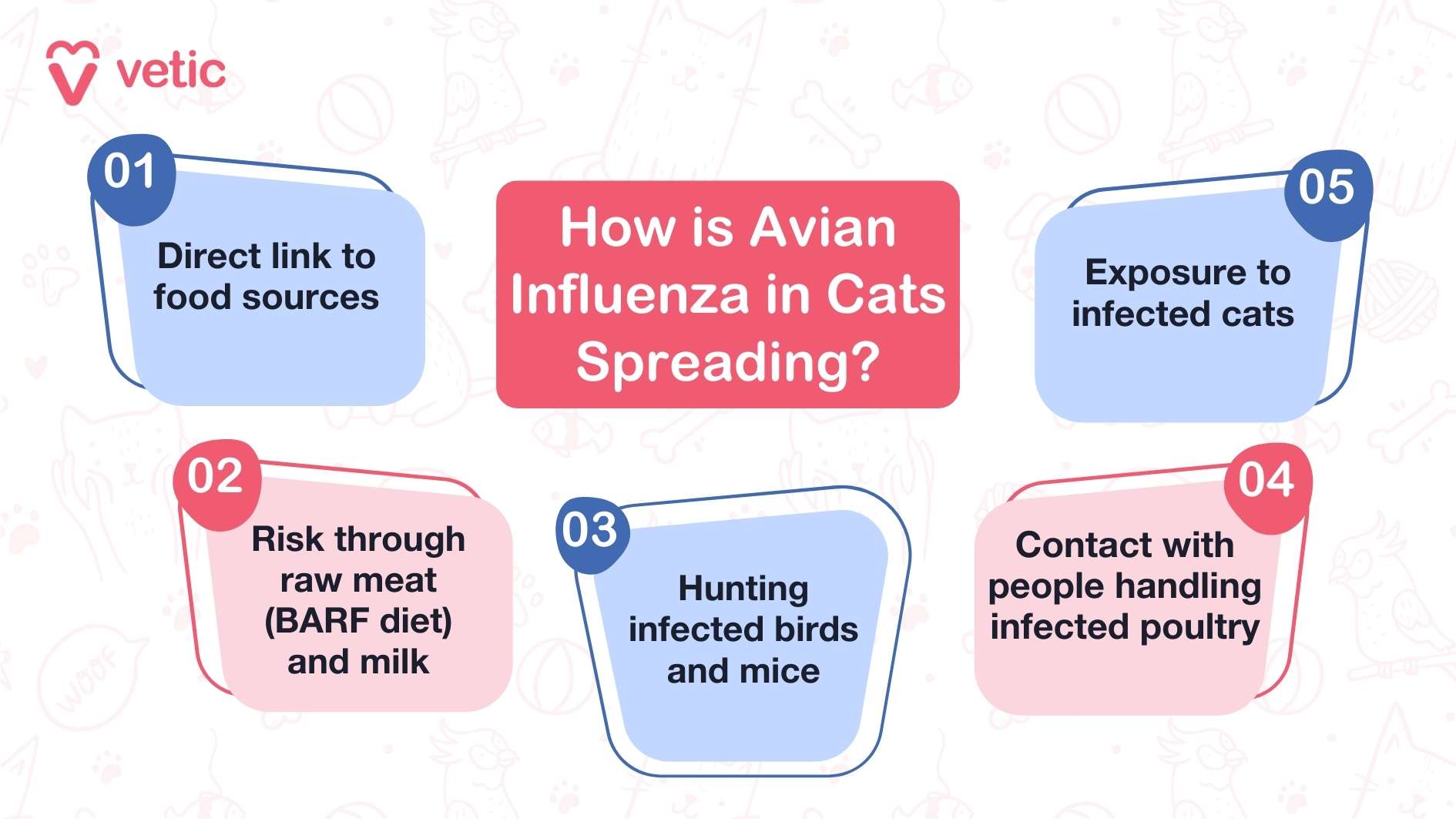
Avian Influenza in Cats: Cats at Risk of Bird Flu. This note connects the source idea with the visuals in a simple, reader-friendly way.
Looking at multiple sources also helps separate the main idea from small decorative details.
These notes are added so the page offers more than images and gives each visitor a clearer reason to keep reading.