GUIDELINE for Feline Leukaemia Virus Infection
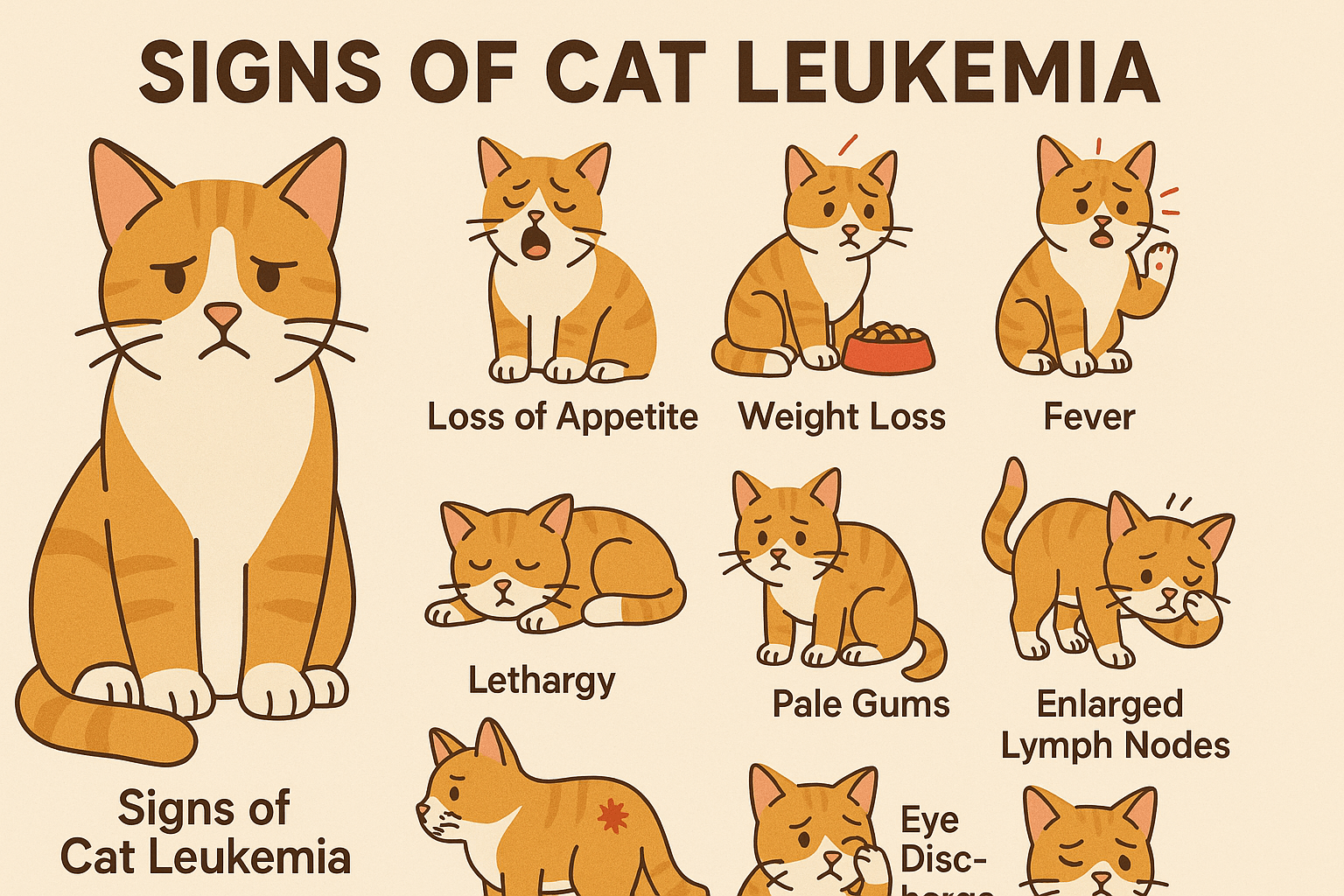
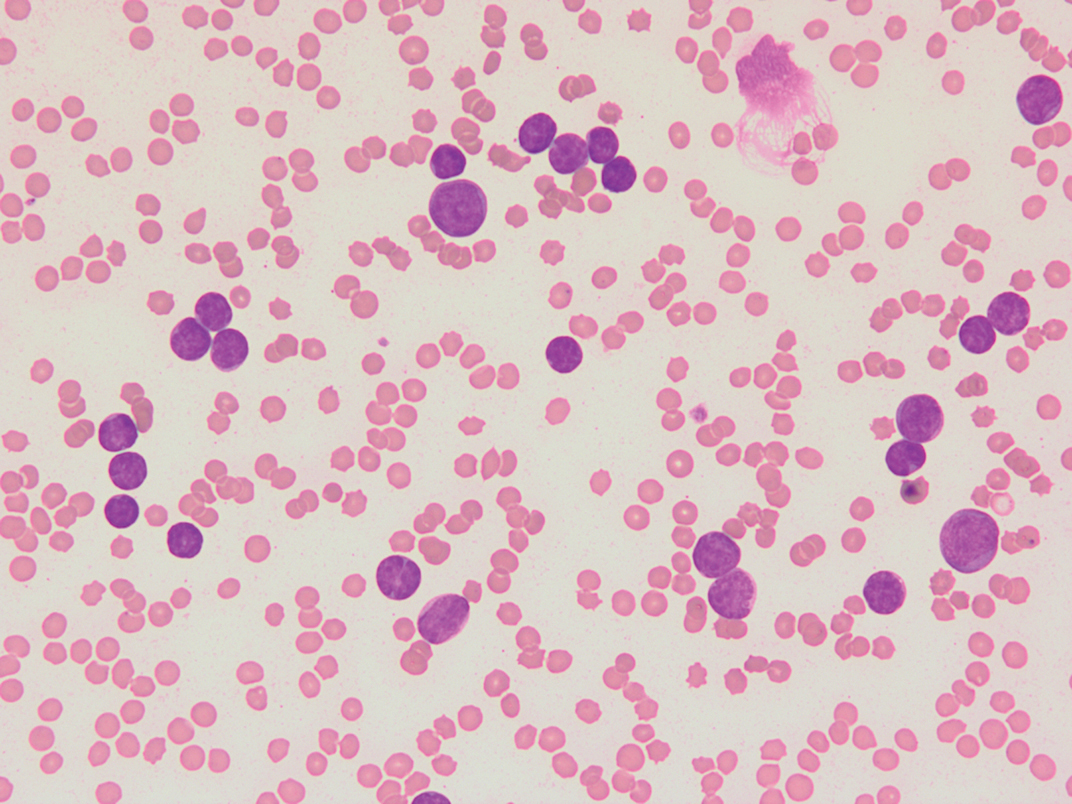
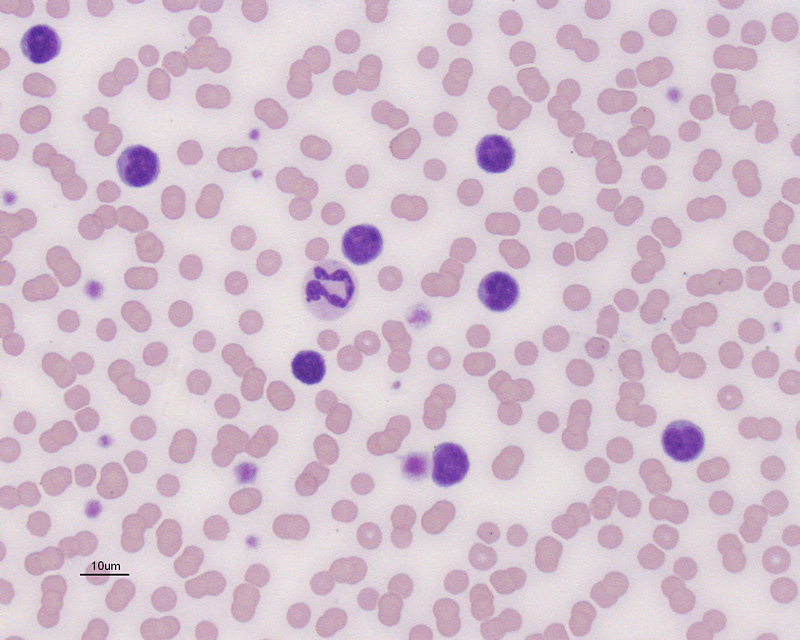
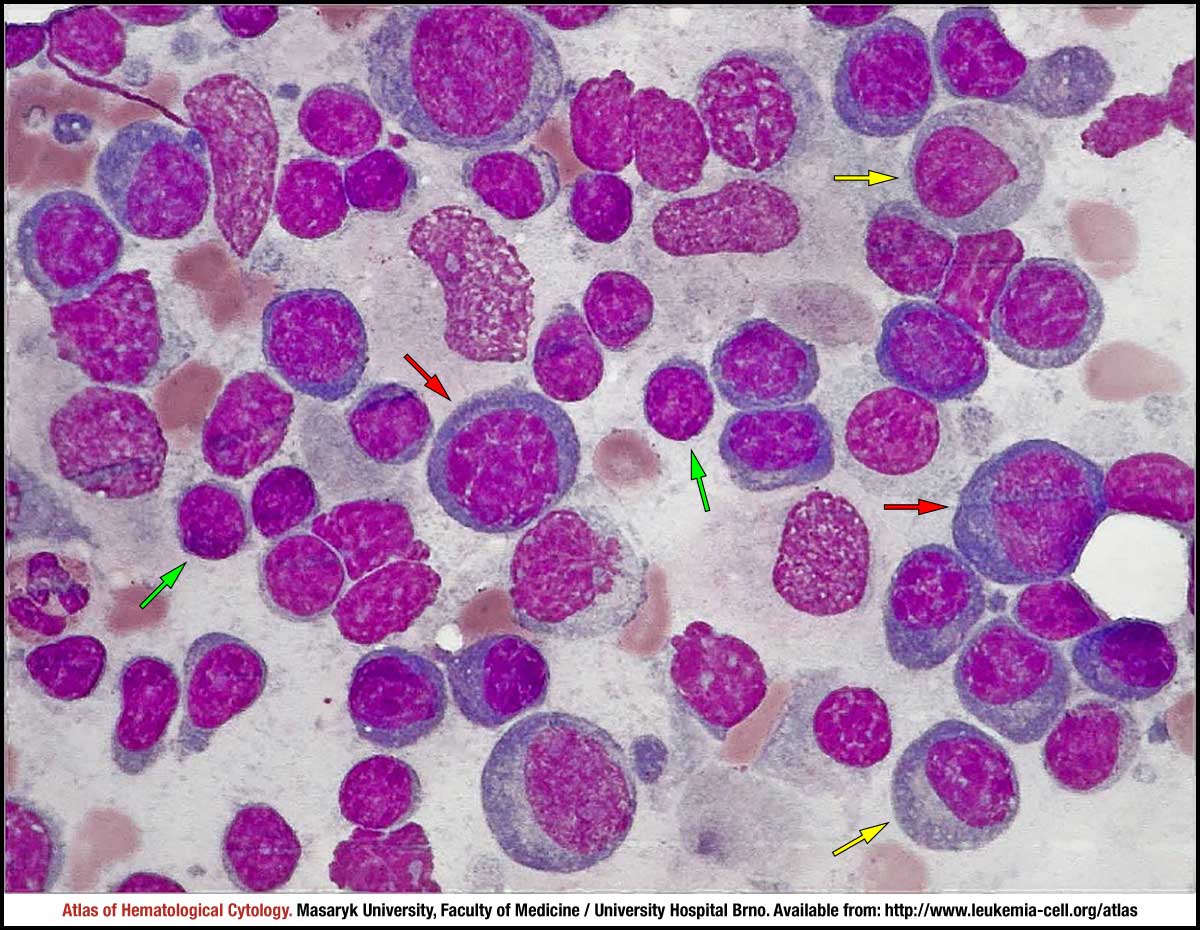
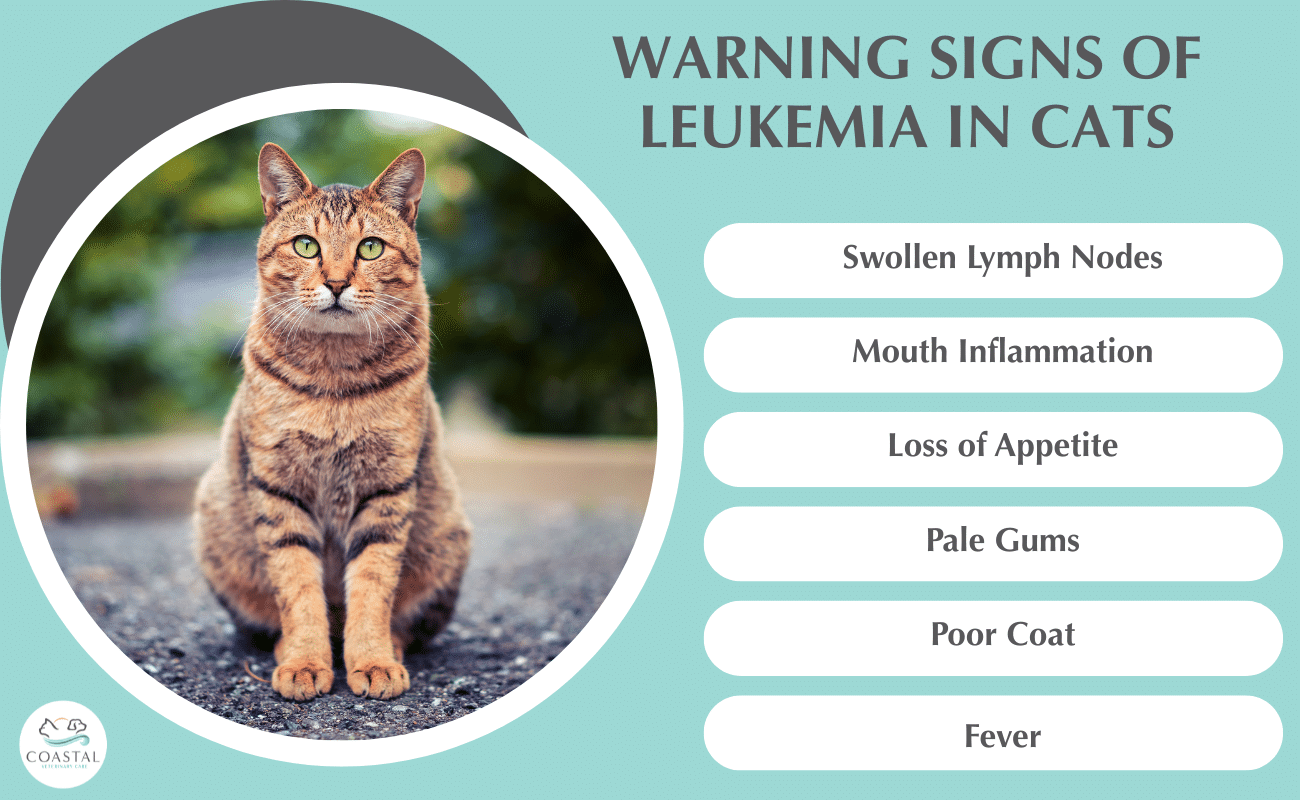
Leukaemia in cats can affect lymphoid cells as well as other haematopoietic cell lines, including myeloid, granulocytic, erythroid, and megakaryocytic cells . The most common form is lymphoid leukaemia , but non- lymphoid leukaemias are also seen, with more than half of these cases being linked to progressive FeLV infection.
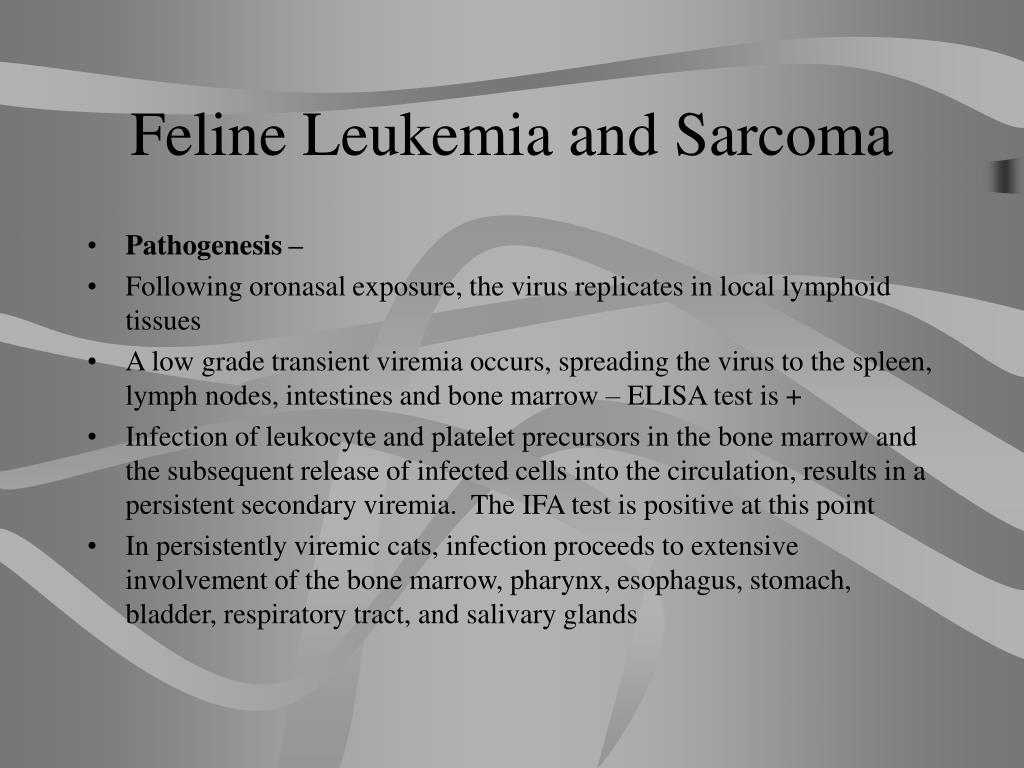
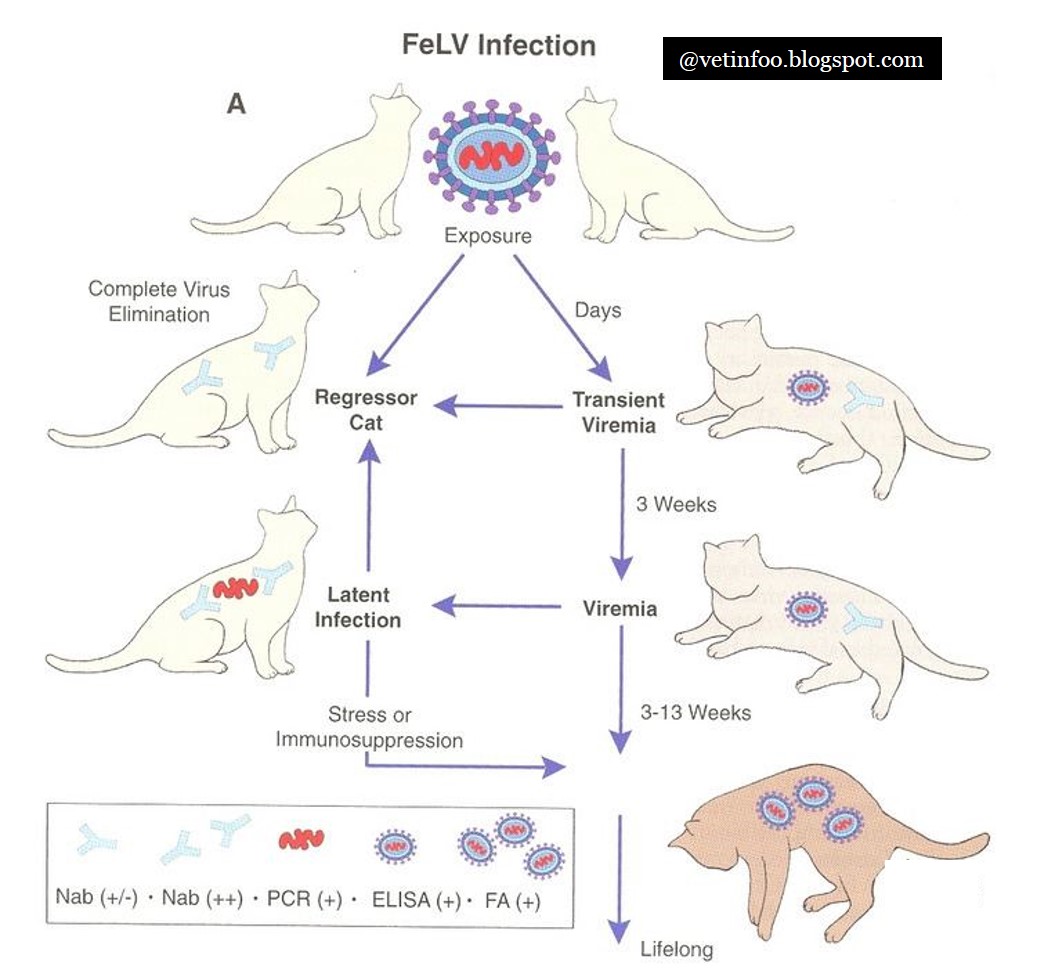
If the immune response does not eliminate the virus after initial exposure, FeLV spreads to the bone marrow and infects hematopoietic precursor cells.1 FeLV infection in the hematopoietic and lymphoid tissues can cause either cellular proliferation (resulting in lymphoma or leukemia) or myelosuppression.1 This can cause immune dysregulation and the increased susceptibility to opportunistic ...
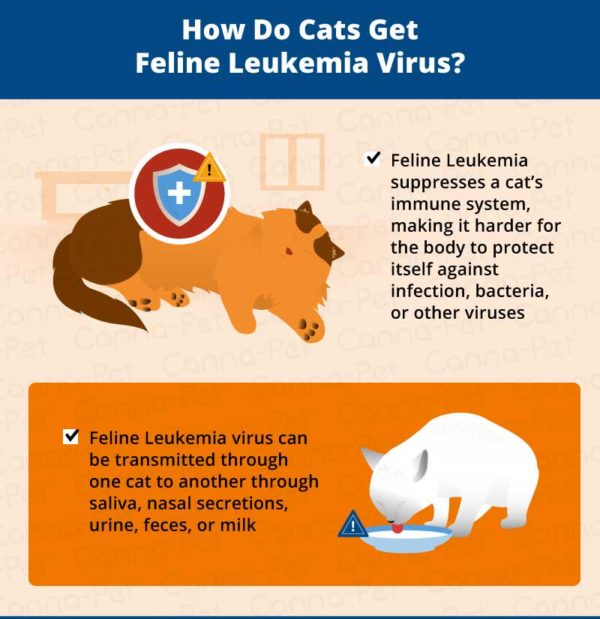
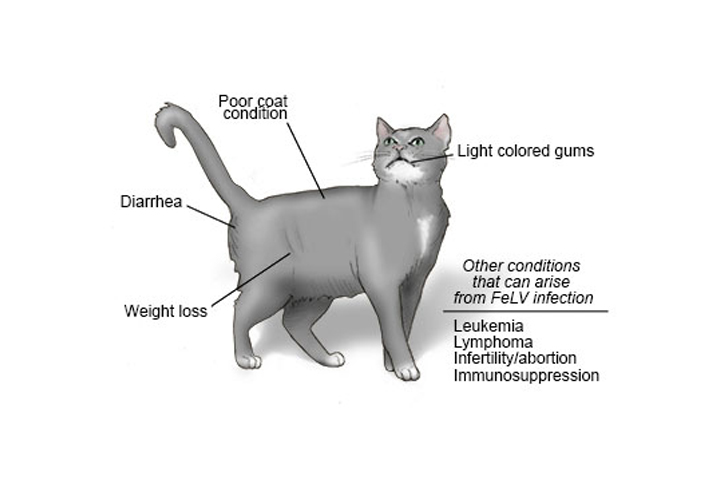
Animals that are consistently viral antigen positive are "progressively" infected, and therefore have marked viral replication in lymphoid tissues, bone marrow, and epithelial tissues including mucosa. Virus is shed from bodily fluids, namely saliva. Complications secondary to FeLV infection are common and often deadly.

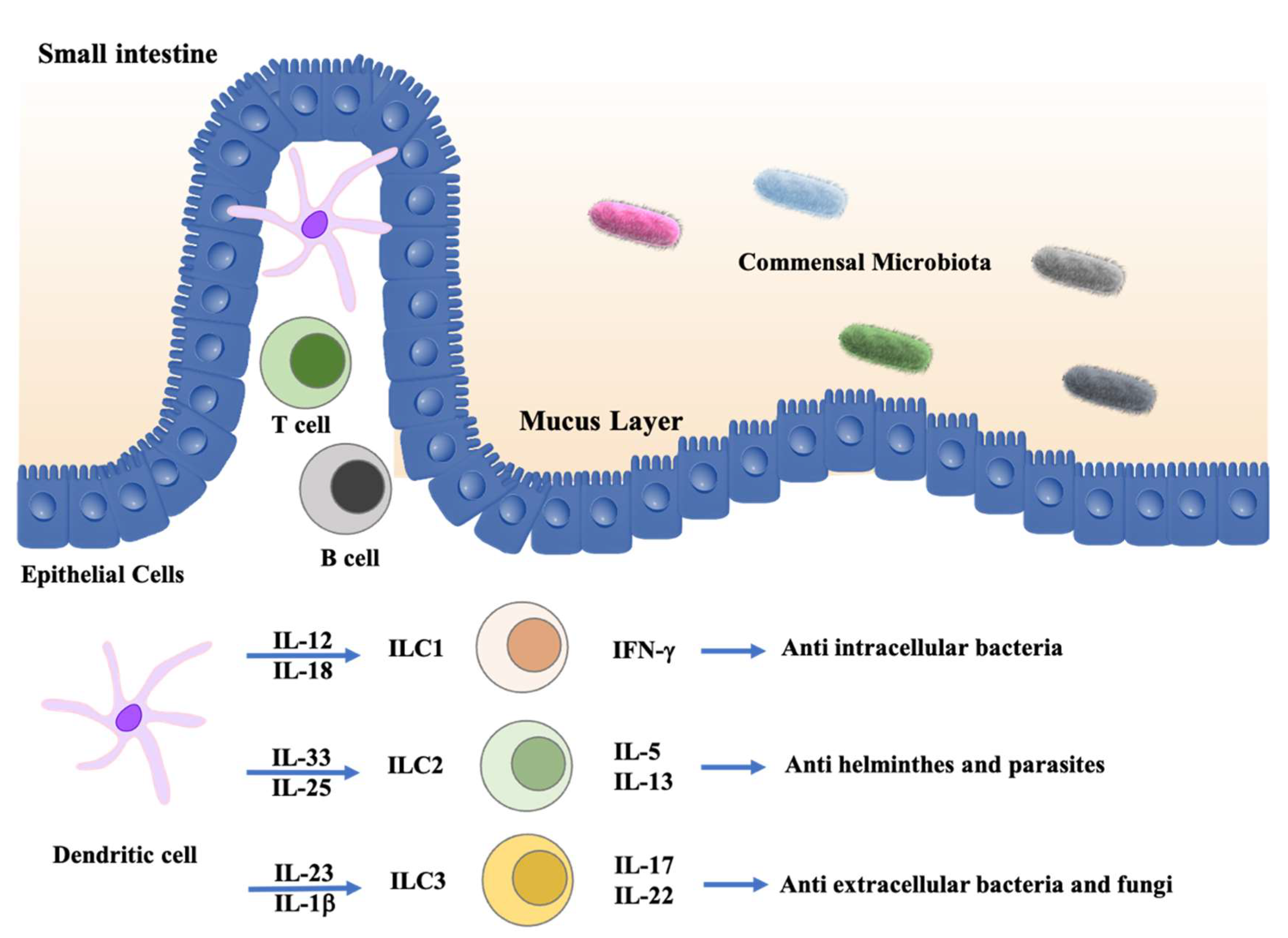
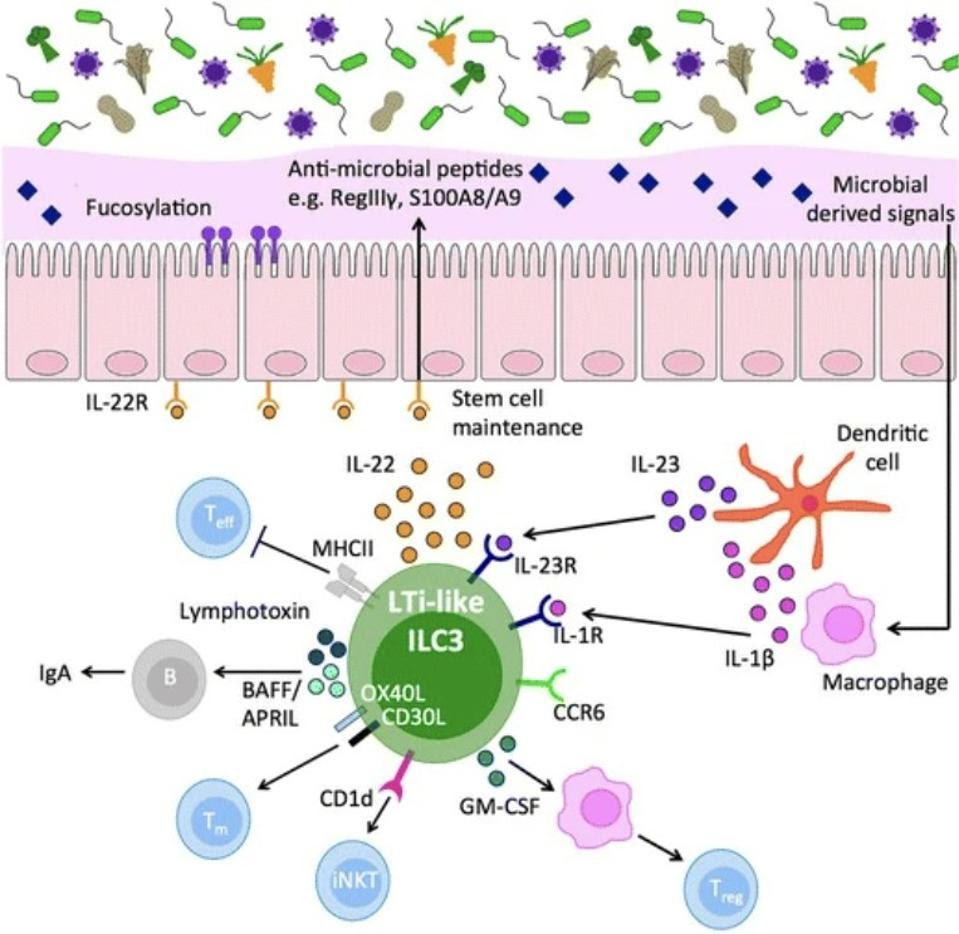
As we can see from the illustration, Intestinal Lymphoid Cells Feline Leukaemia Virus has many fascinating aspects to explore.
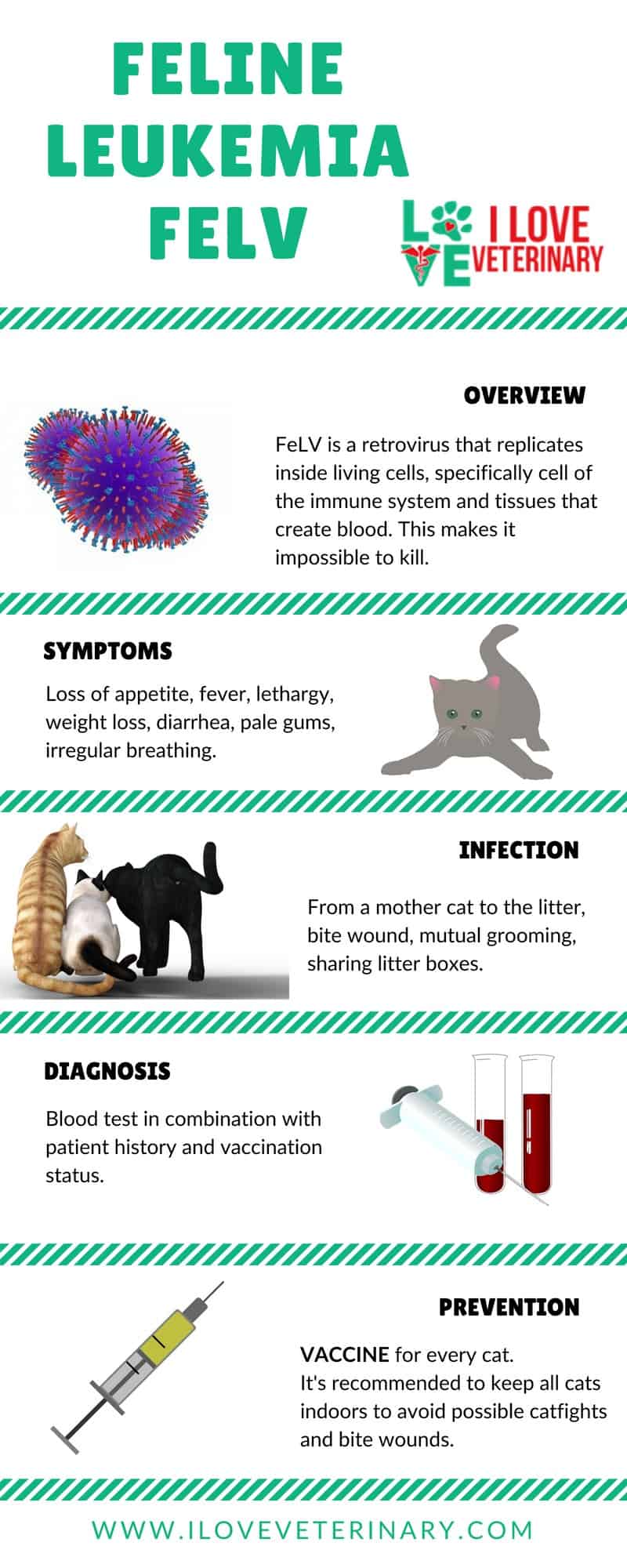
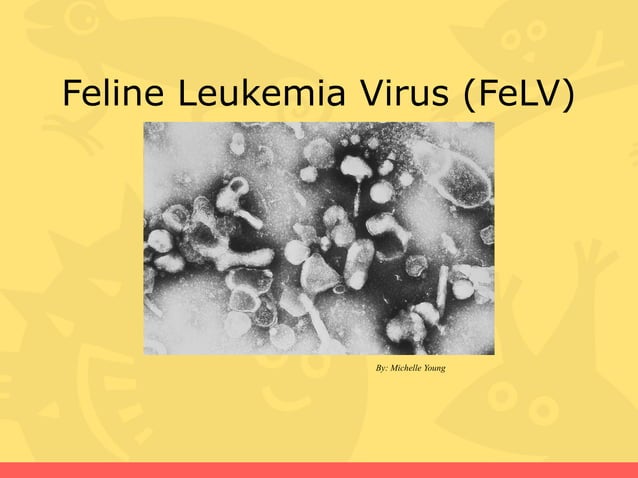
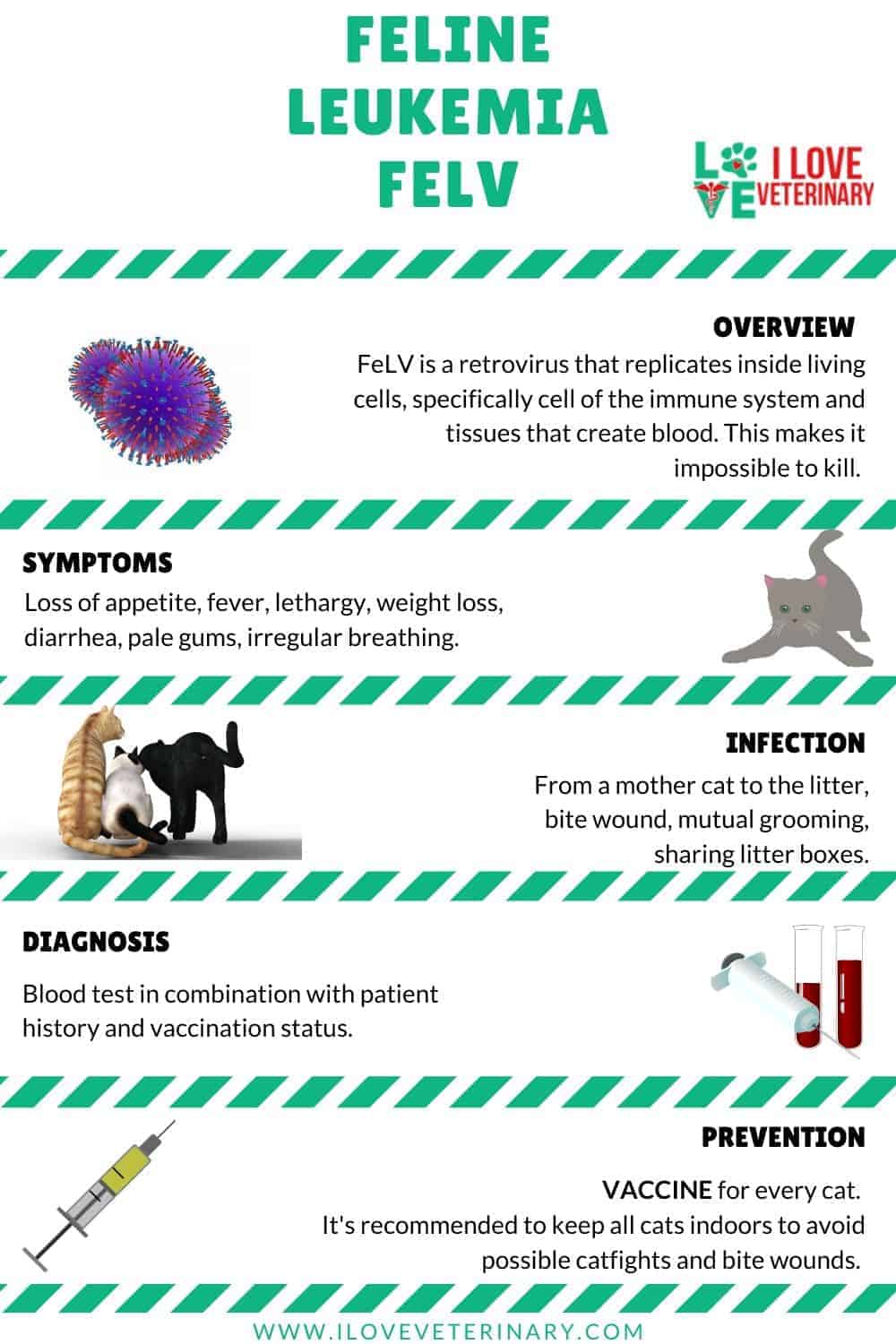
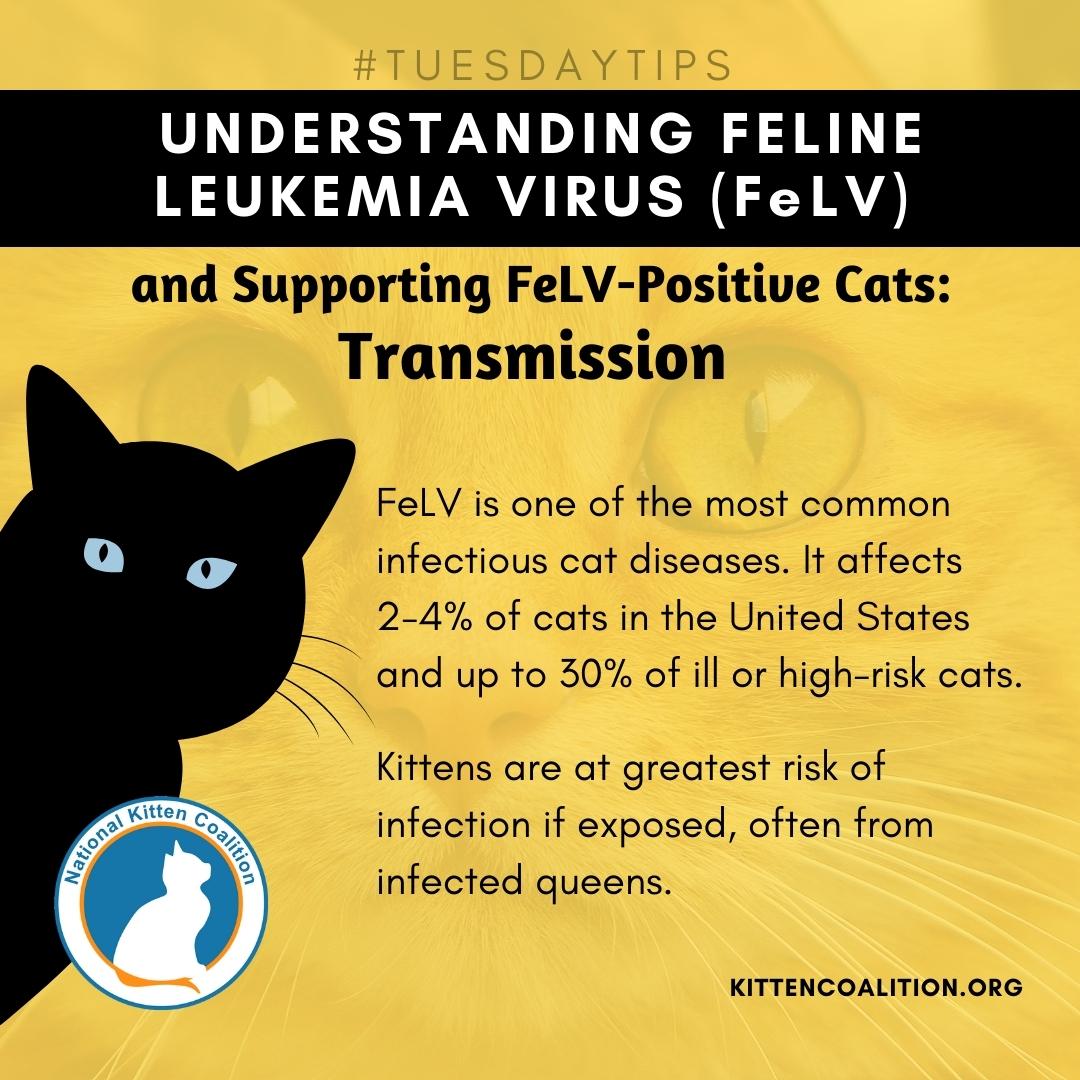
SYNOPSIS Feline leukaemia virus (FeLV), a gammaretrovirus of domestic cats, is a member of the Orthoretrovirinae subfamily of retroviruses. It contains a protein core with single-stranded RNA protected by an envelope. FeLV does not survive for long outside the host under dry conditions and is readily inactivated by disinfectants, soap, heating and drying. Although transmission via fomites is ...
Classification of the causative agent Feline leukaemia virus (FeLV) is an exogenous gammaretrovirus (enveloped, single-stranded RNA) enzootic to domestic cats. The course of disease is somewhat variable pending the infectious strain of FeLV (FeLV-A, -B, or -C) and what endogenous retroviruses are present in the host's genome. It is the recombination of these retroviruses within the host that ...
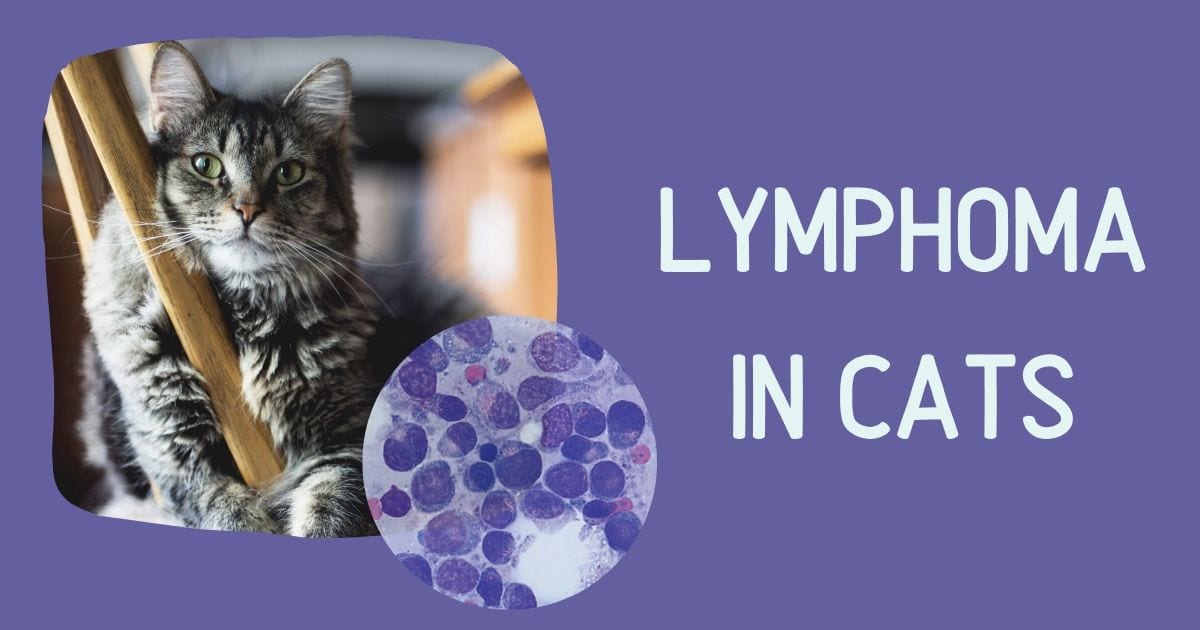
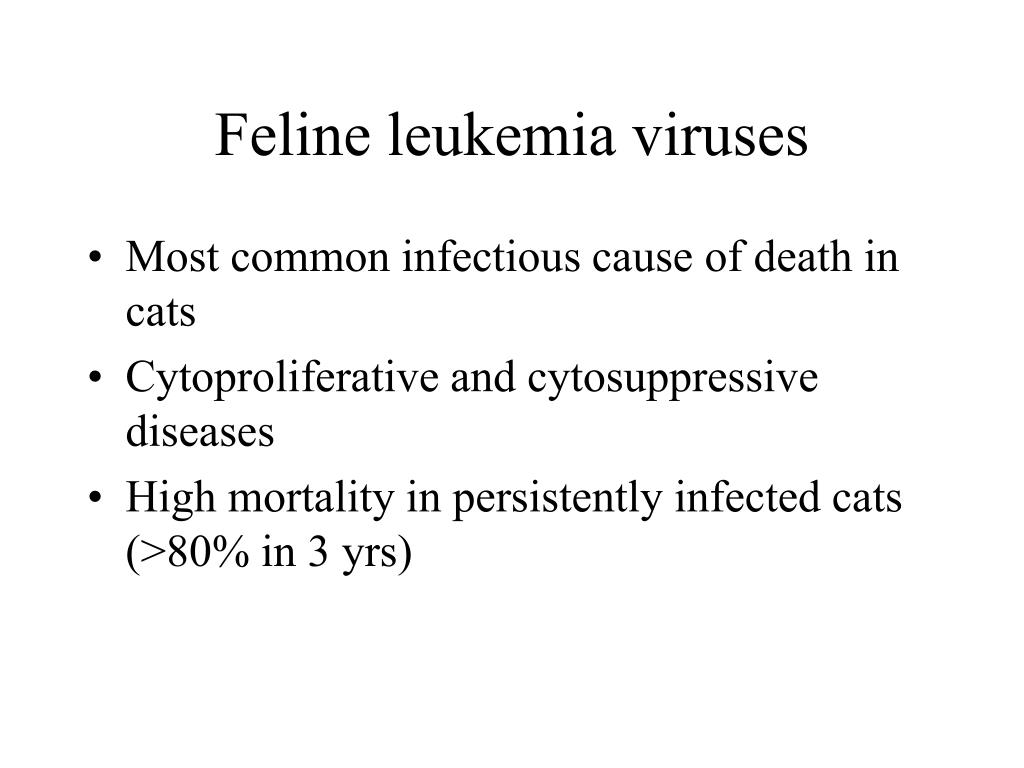
Domestic cats have the highest incidence of naturally occurring lymphoid malignancies of any nonrodent mammal. Feline leukemia virus (FeLV) is an oncornavirus that causes lymphosarcoma, leukemia, and aplastic anemia in cats and is similar to leukemia viruses of mice (murine leukemia virus ) and chickens (avian leukemia virus ).
Understanding Intestinal Lymphoid Cells Feline Leukaemia Virus Before the Gallery
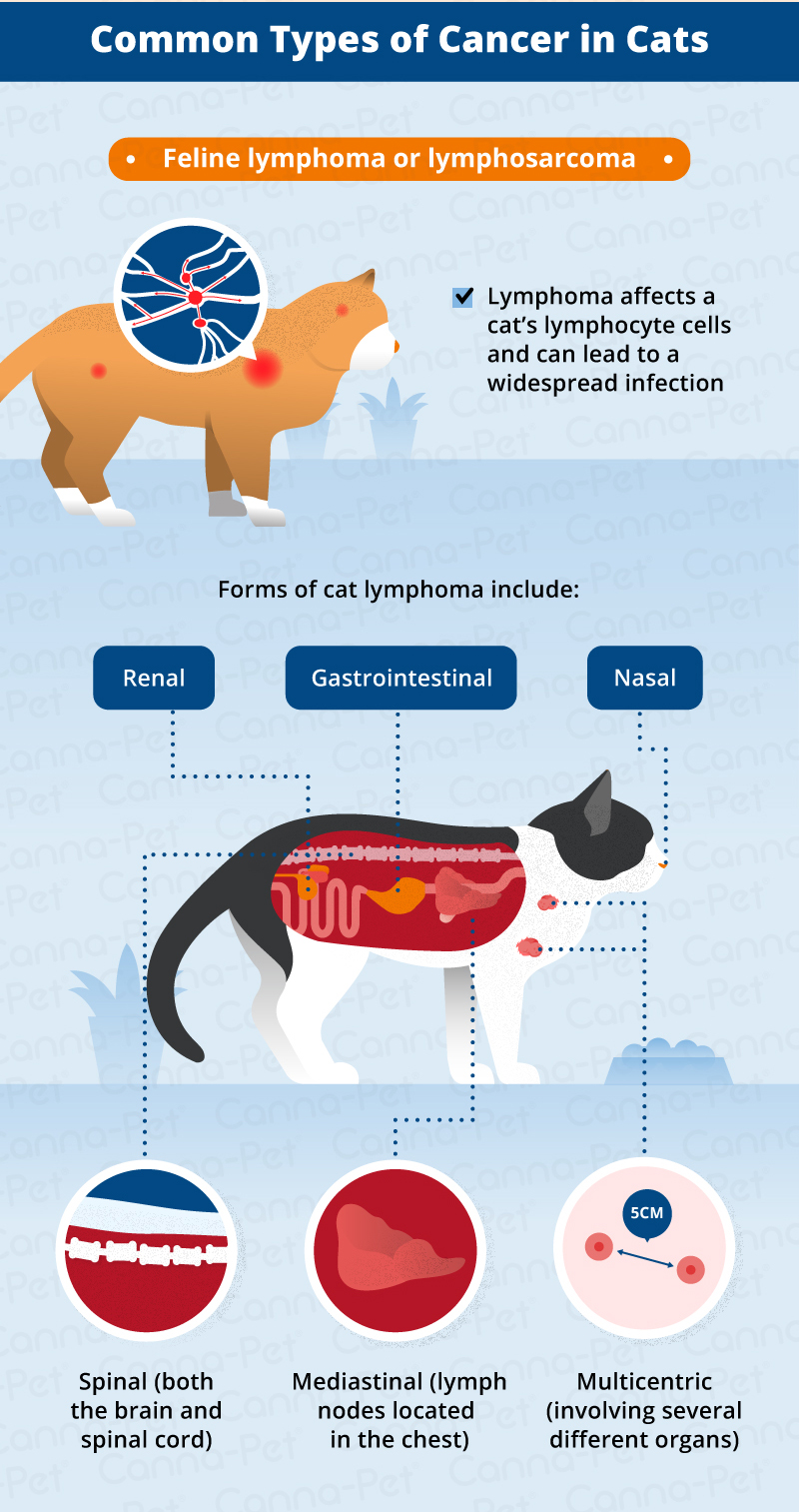
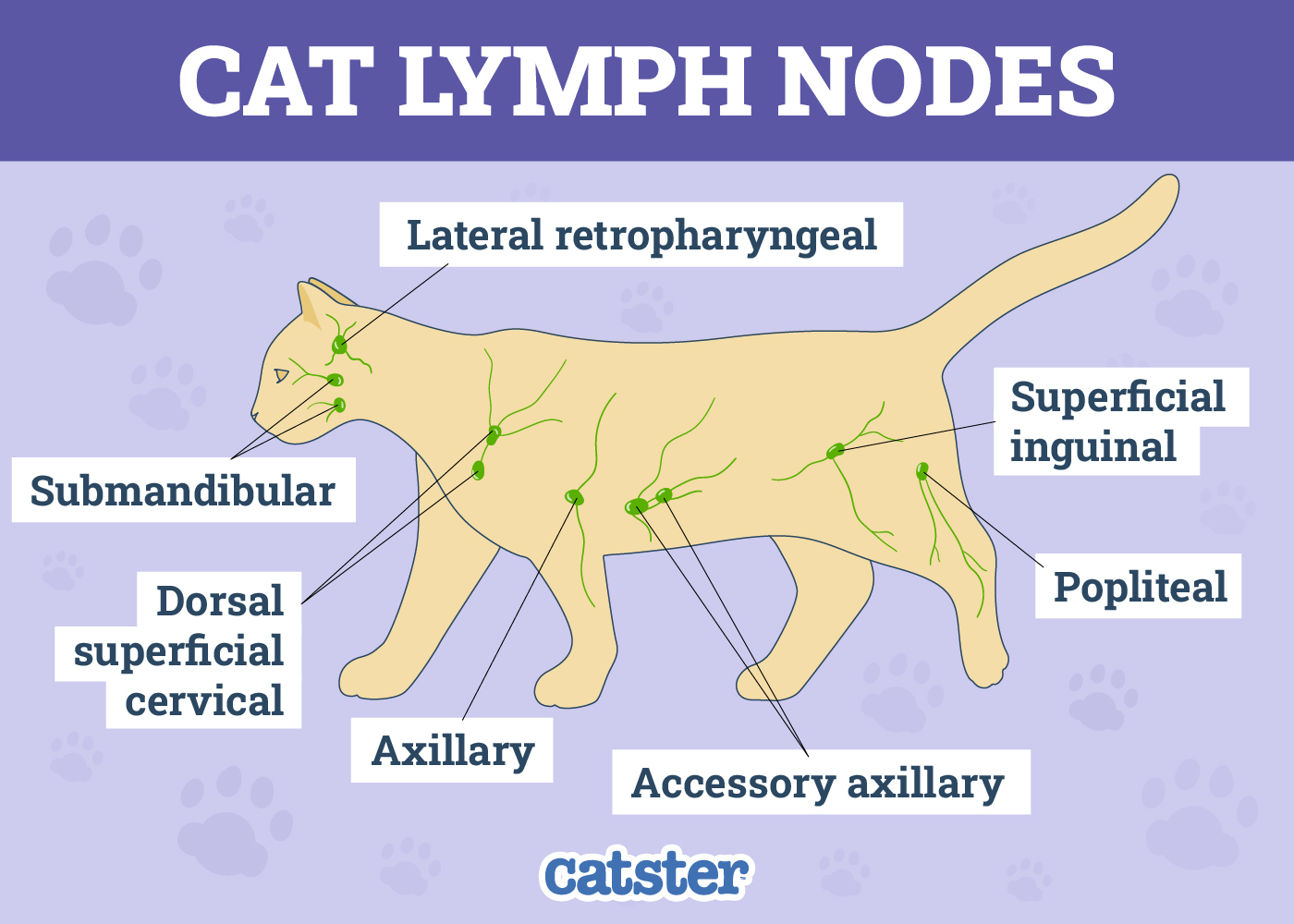
Cat, mediastinal lymph node. Multicentric lymphoma: peripheral T-cell. It gives the article a little more context before the image collection begins.
What Is Cat Virus at Ruth Sapp blog. This note connects the source idea with the visuals in a simple, reader-friendly way.
Feline Leukemia Virus Infection | BioRender Science Templates. The extra context helps the page feel more useful without forcing the same phrase repeatedly.