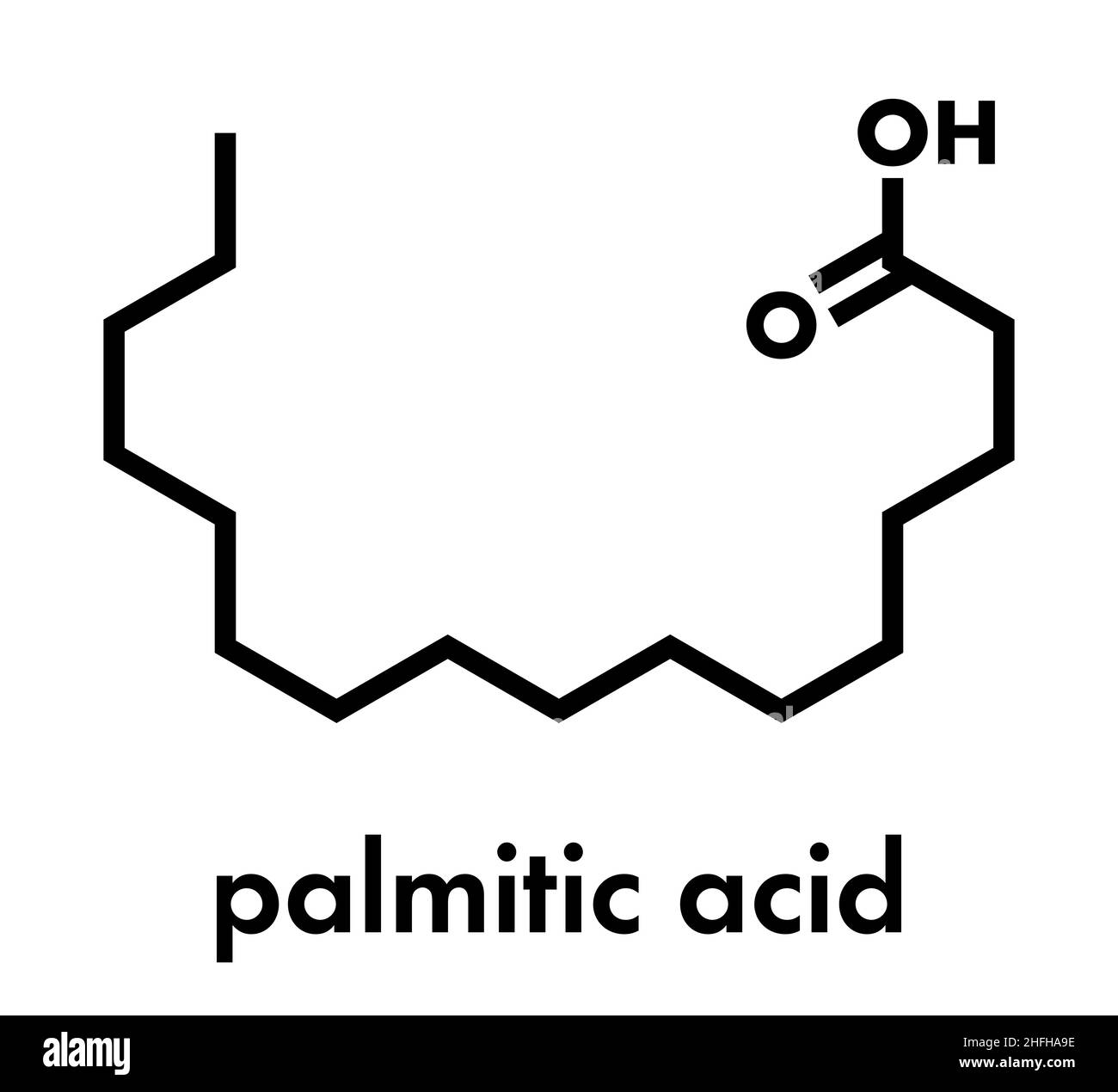
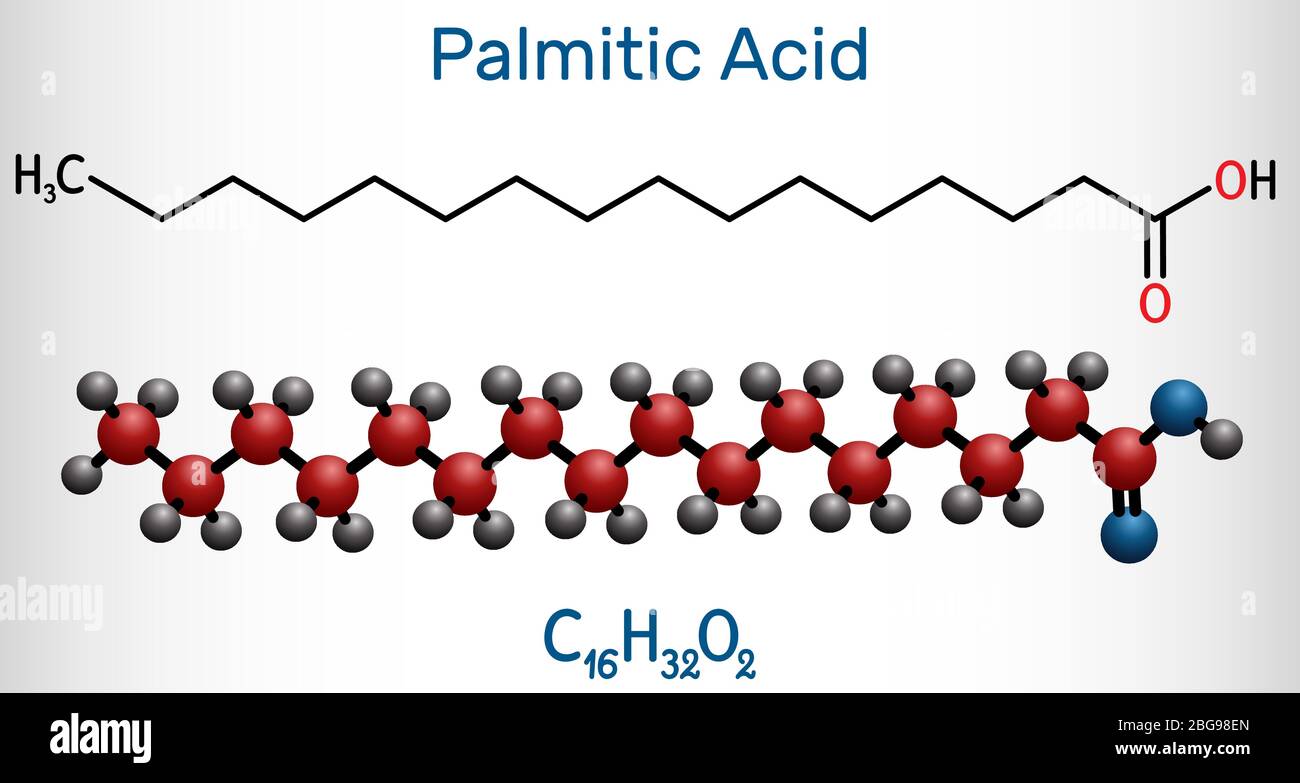
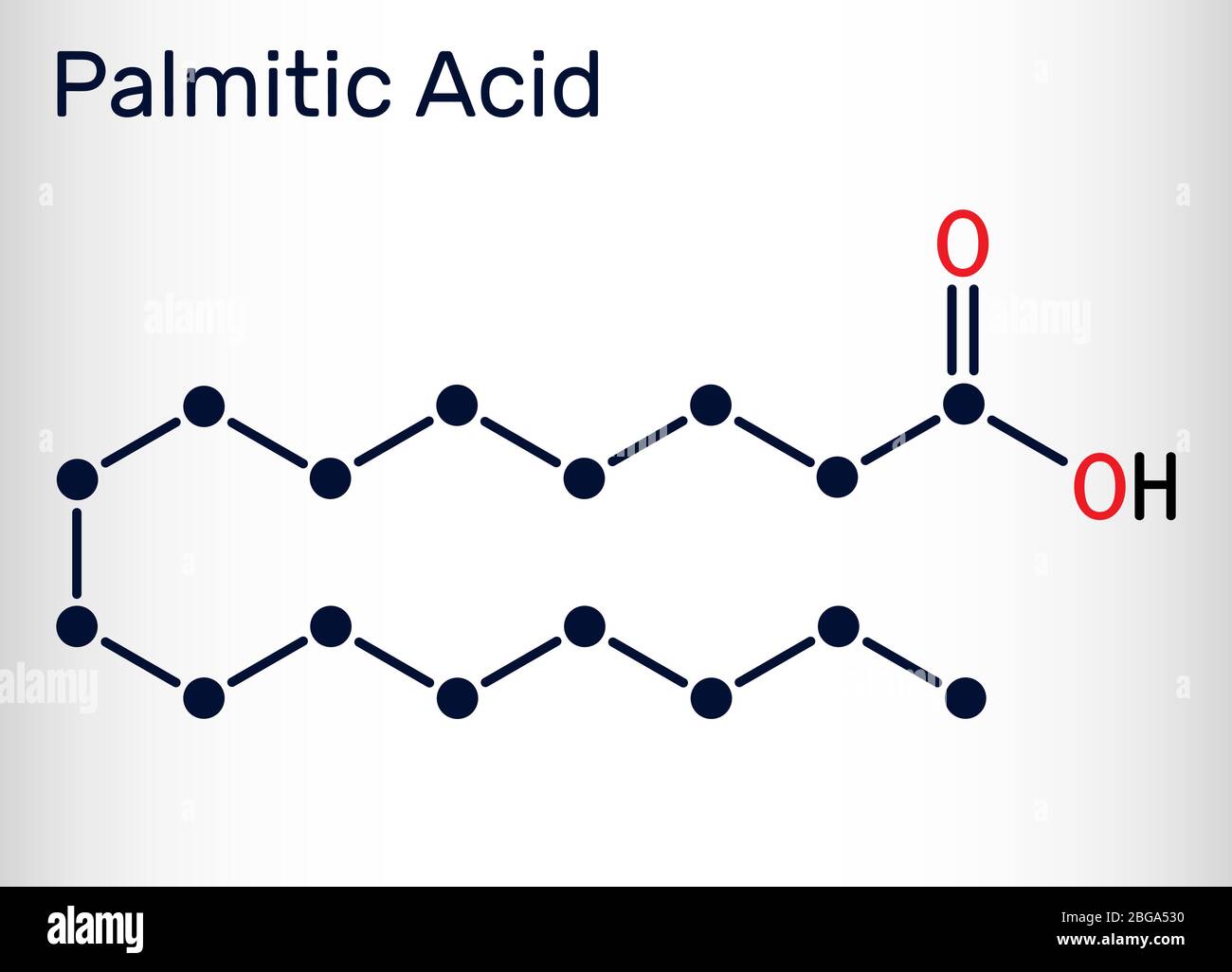
Palmitic acid
Palmitic acid is the first fatty acid produced during fatty acid synthesis and is the precursor to longer fatty acids . As a consequence, palmitic acid is a major body component of animals.
Palmitic acid ( PA ), a saturated fatty acid present in the human body, accounts for 20-30% of total fatty acids (FA) in membrane phospholipids (PL) and adipose triacylglycerols (TAG).

Key Details About Palmitic Acid P Or Pa
Palmitic acid ( PA ) or palmitate is derived from a high-fat diet or is synthesized in the body in a seven-cycle process involving a series of condensation, dehydration, and reduction reactions.

Palmitic acid (16:0, PA ) is the most common saturated fatty acid found in the human body and can be provided in the diet or synthesized endogenously from other fatty acids , carbohydrates and amino acids .
Palmitic Acid
The present study was designed to develop an experimental cell culture model of NASH using four kinds of fatty acids - palmitic acid ( PA ), stearic acid (SA), linoleic acid (LA), and oleic acid (OA) - and TNF-a, according to the two-hit hypothesis.
More Context About Palmitic Acid P Or Pa
The effects of palmitic acid (PA) and trans-palmitoleic acid (tPA. This note connects the source idea with the visuals in a simple, reader-friendly way.
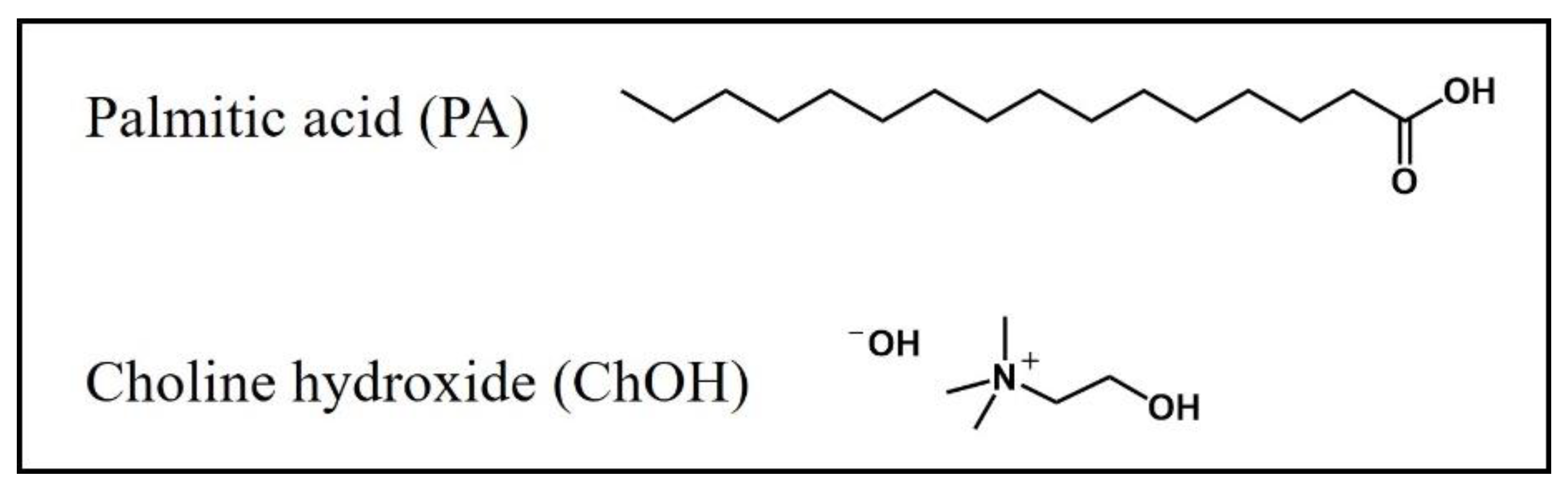
Self-Assembly of Palmitic Acid in the Presence of Choline Hydroxide. It works as a short bridge between the article summary and the gallery section.
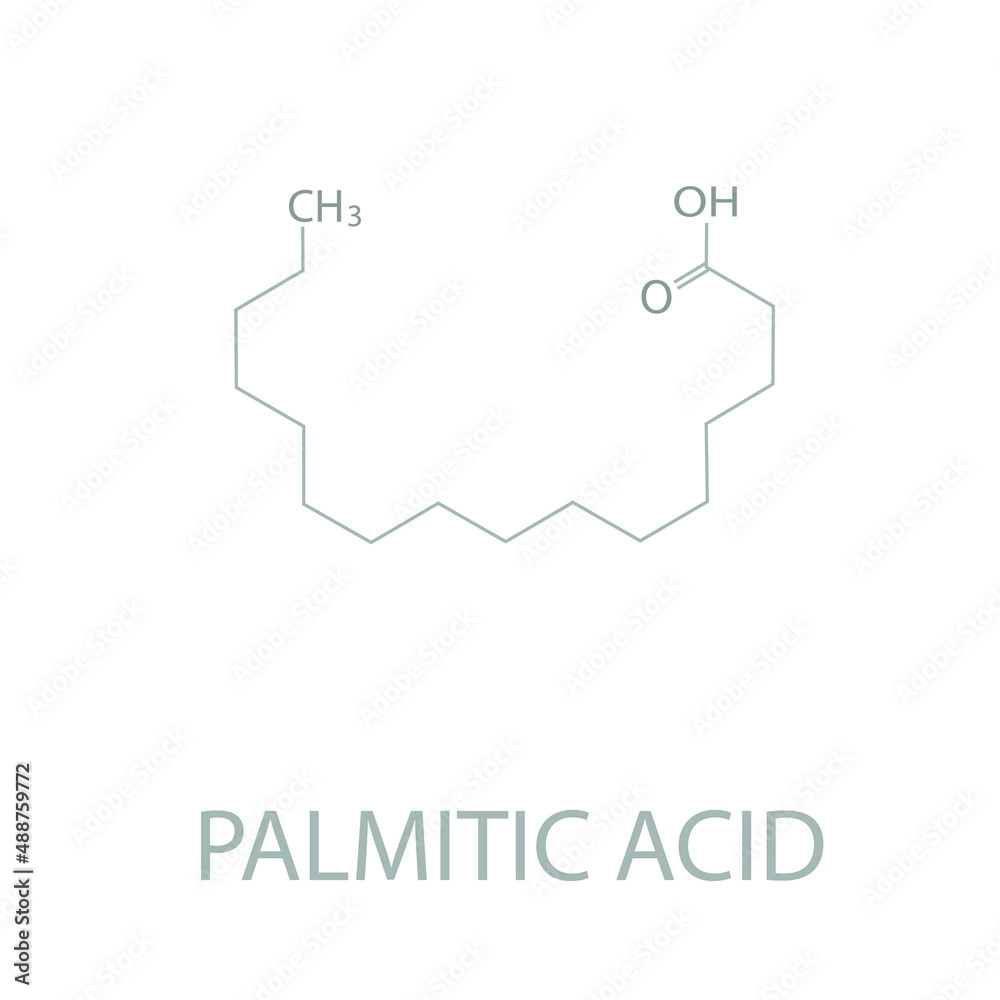
Premium Vector | Palmitic acid molecule formula chemical structure. This note connects the source idea with the visuals in a simple, reader-friendly way.
Looking at multiple sources also helps separate the main idea from small decorative details.
These notes are added so the page offers more than images and gives each visitor a clearer reason to keep reading.