Nutrition in Snakes
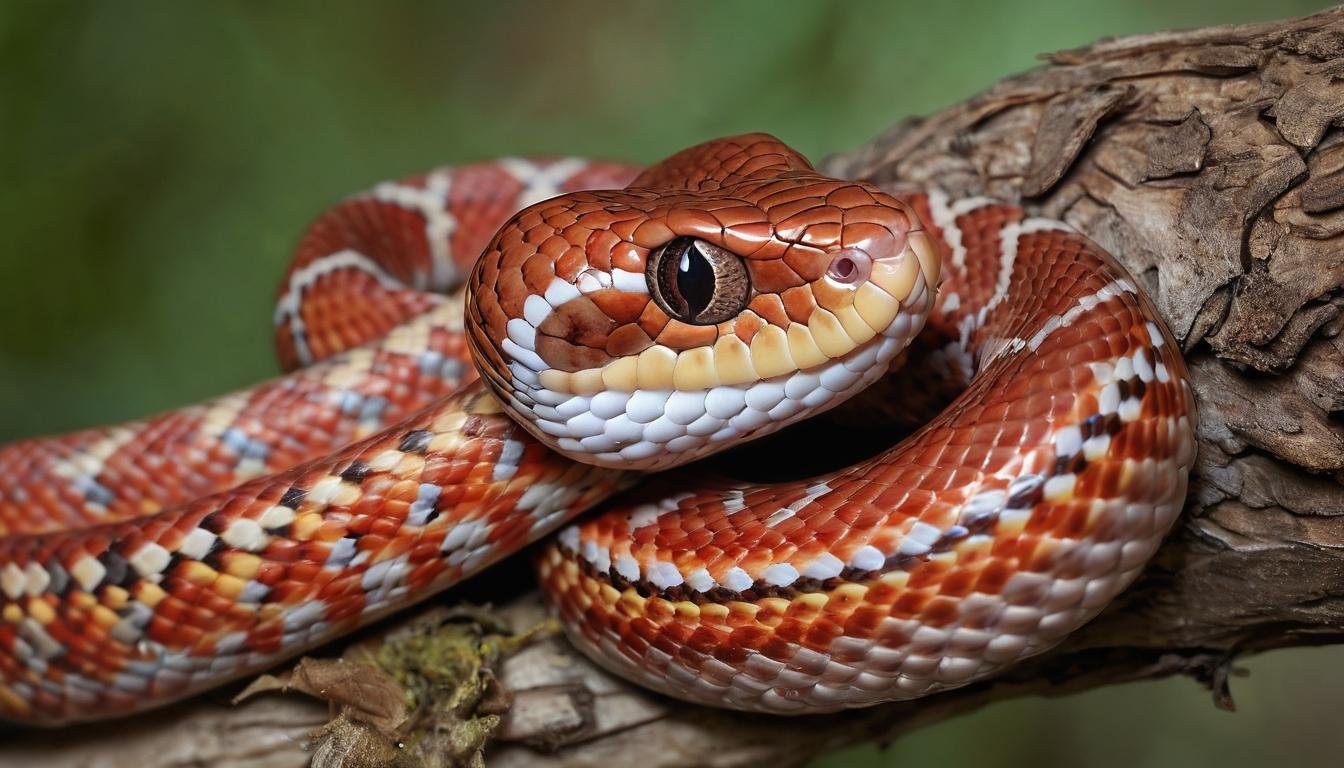
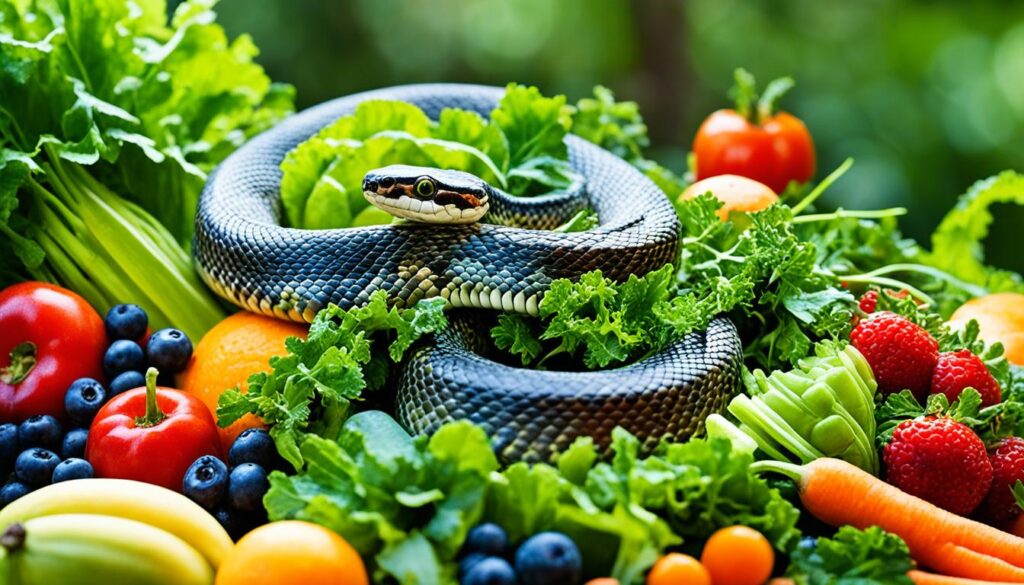
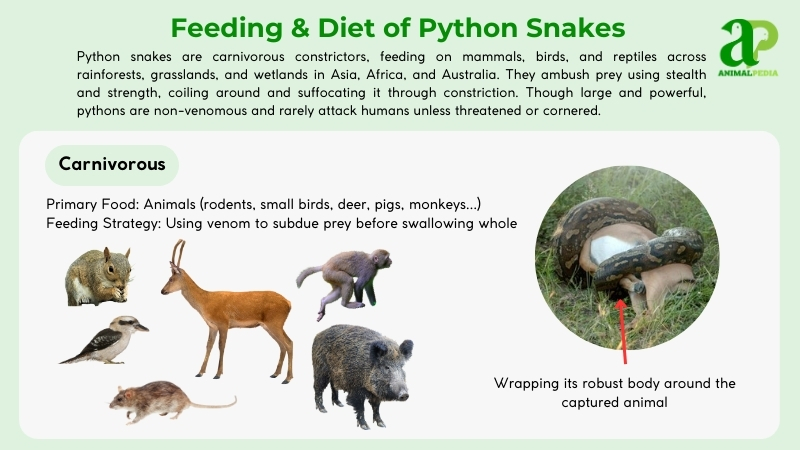
Snakes feed almost exclusively on vertebrate or invertebrate prey. A few species are specialized egg feeders. Most boids, pythons , vipers, colubrids, crotalids, and elapids are fed mouse pups, mice, chicks, hamsters, rats, guinea pigs, chickens, ducks, or rabbits. Frozen, thawed prey are usually used in zoos; thawing under refrigeration is recommended. After thawing, prey should not be fed ...

We also always make sure to source snake food from ethical sources-this means captive -bred, humanely euthanized prey. Check the list below for some safe, alternative food source ideas that are applicable to your snake species .

Moving forward, it's essential to keep these visual contexts in mind when discussing Snake Nutrition For Captive Python Species.
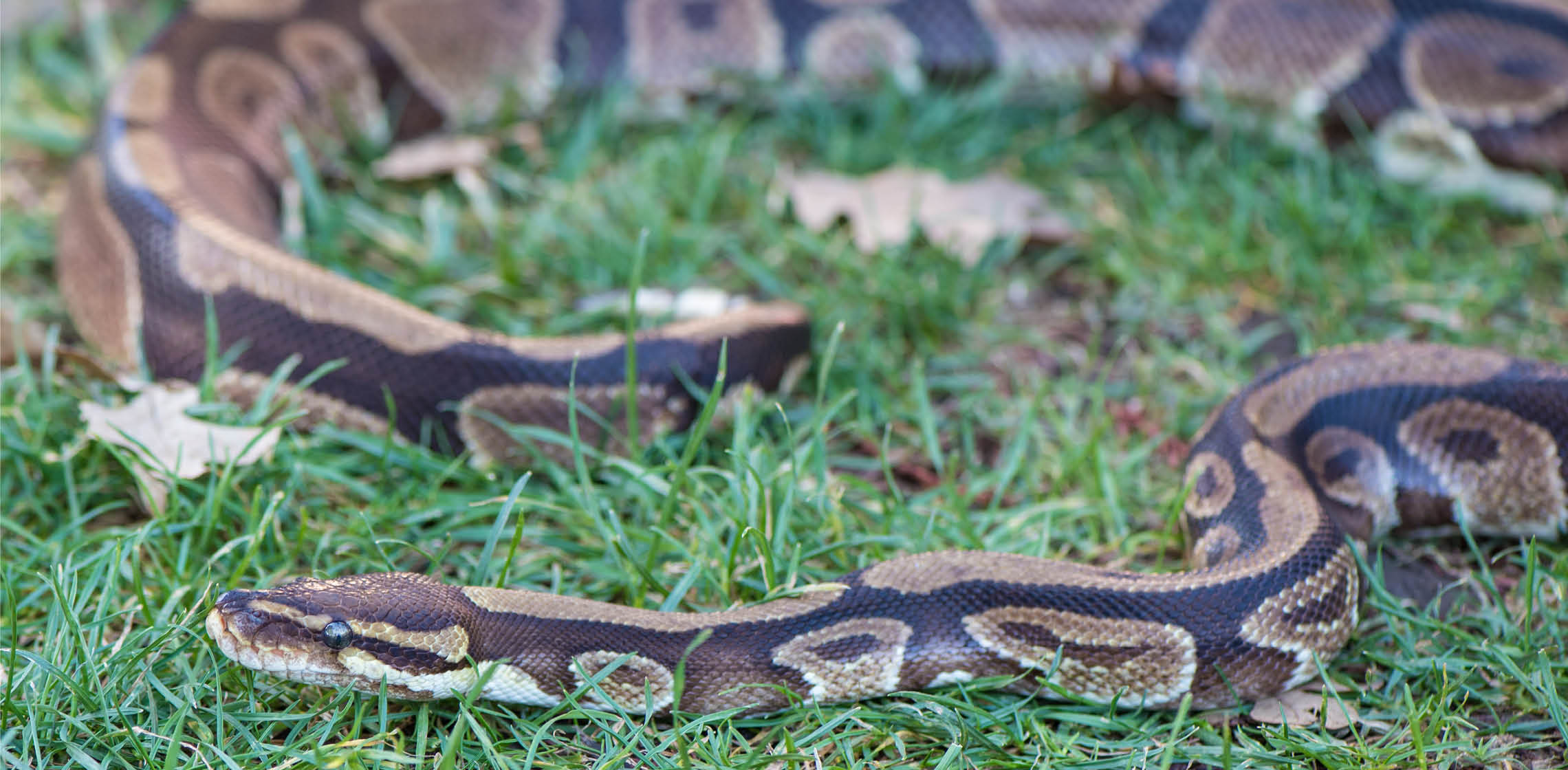
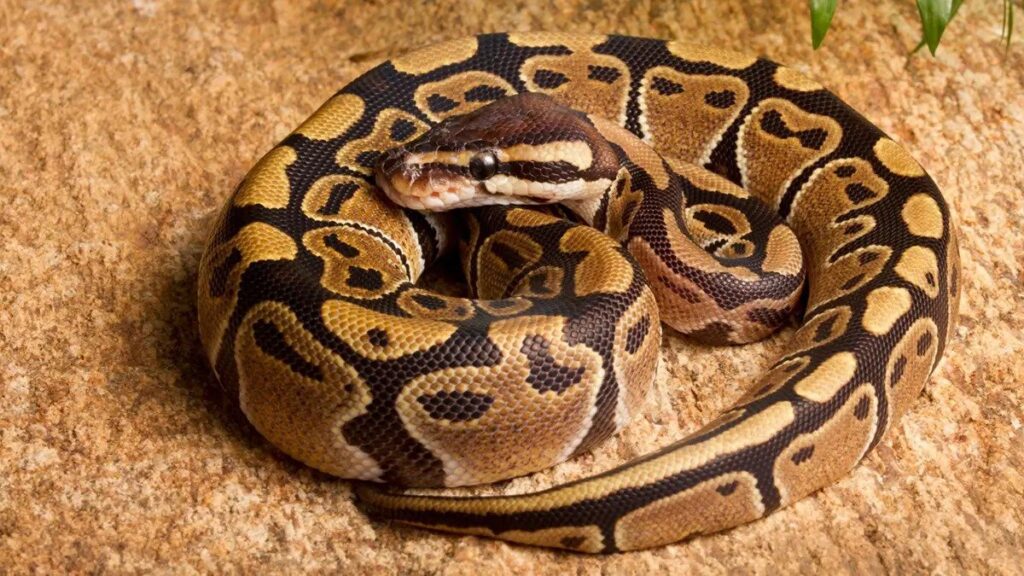
Ball (or royal) pythons are probably the most common boid species kept as pets, and numerous color morphs are available. They tend to be shy and docile, and their husbandry and nutritional demands are relatively easy to meet.

Furthermore, visual representations like the one above help us fully grasp the concept of Snake Nutrition For Captive Python Species.
What Do Pythons Eat (In The Wild And In Captivity)
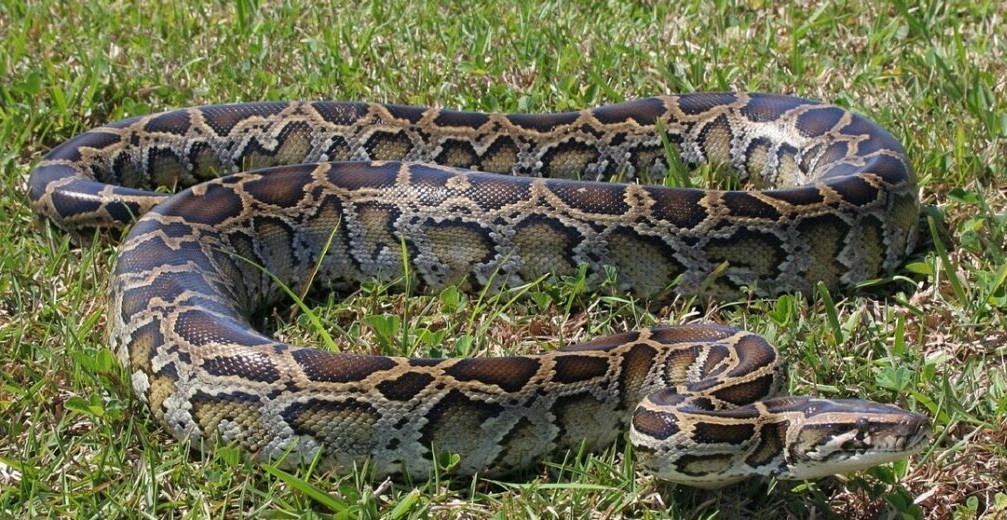
What Do Pythons Eat? In the wild, most species of Pythons are eating machines. They eat a wide variety of prey including small mammals, amphibians, rodents, reptiles, and birds. Some species living close to human habitats eat chickens, pigs, and other domesticated livestock. A few species of pythons even eat other pythons and snakes . In captivity, you can feed your pet python a similar diet of ...
Understanding Snake Nutrition For Captive Python Species Before the Gallery
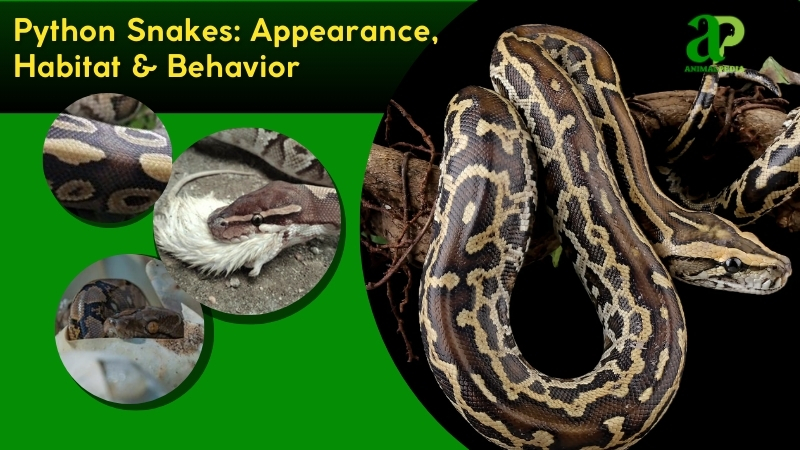
Python Snakes: Large Non-venomous Constrictor, Types & Conservation. For Snake Nutrition For Captive Python Species, this point helps readers notice the most relevant visual details before moving into the gallery.
Diet for Pet Snakes: The Right Nutrition for Health and Vitality. This note connects the source idea with the visuals in a simple, reader-friendly way.
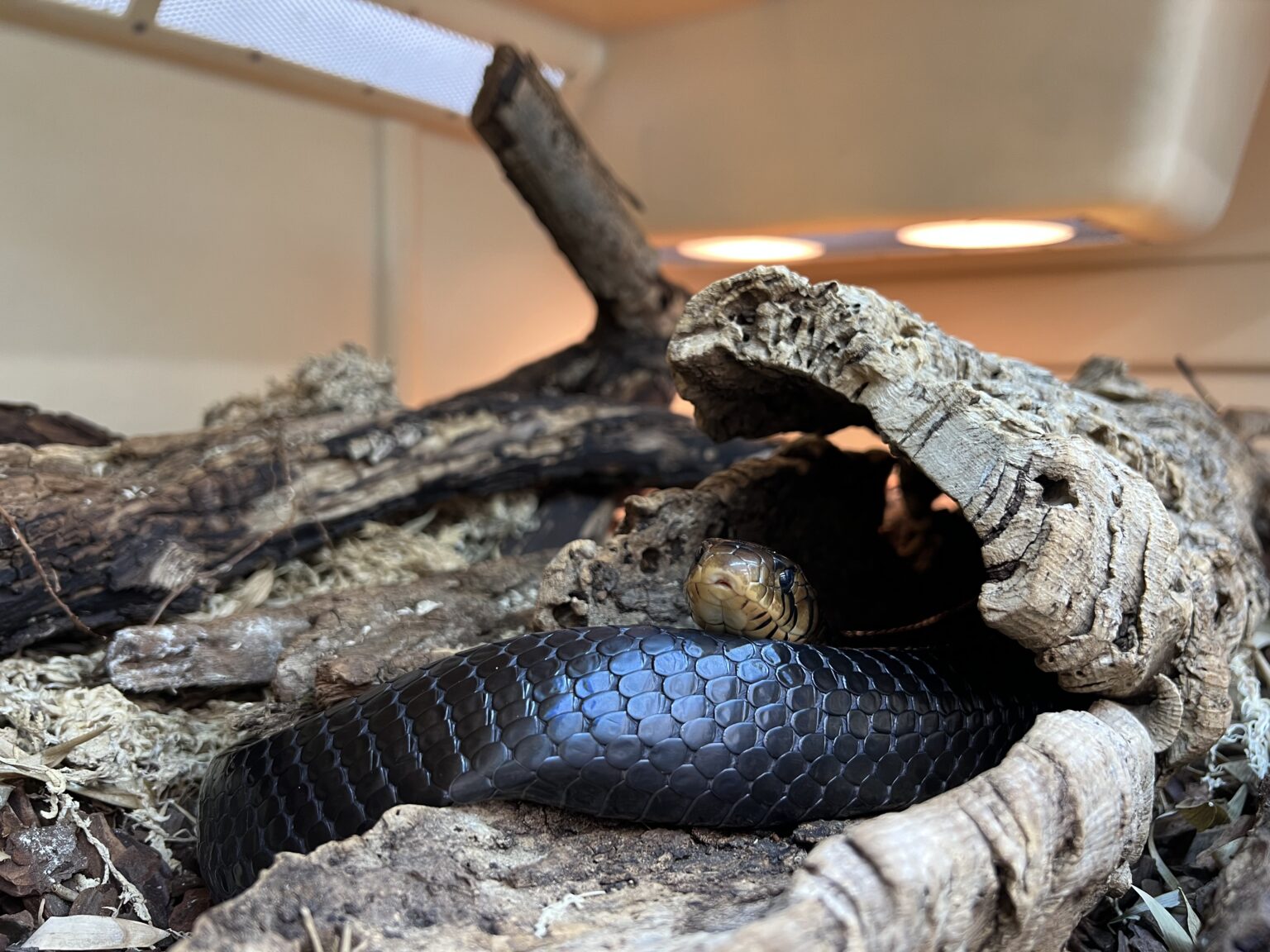
Captive Breeding the Eastern Indigo Snake (Drymarchon couperi). This note connects the source idea with the visuals in a simple, reader-friendly way.
Looking at multiple sources also helps separate the main idea from small decorative details.
These notes are added so the page offers more than images and gives each visitor a clearer reason to keep reading.






:max_bytes(150000):strip_icc()/albino-burmese-python-160431532-5b954a4c4cedfd0025085c38.jpg "Fresh Look at Burmese Python Snake Facts")

/burmese-python--overhead-view--studio-shot-sb10063920q-001-5b951ffbc9e77c0082e36a76.jpg "Burmese Python Snake Facts Photo Inspiration")






:max_bytes(150000):strip_icc()/corn-snakes-1236771_FINAL-5baaa04bc9e77c0025224212.png "Picture Idea: A Guide To Caring For Pet Corn Snakes")