Feline Leukemia Virus
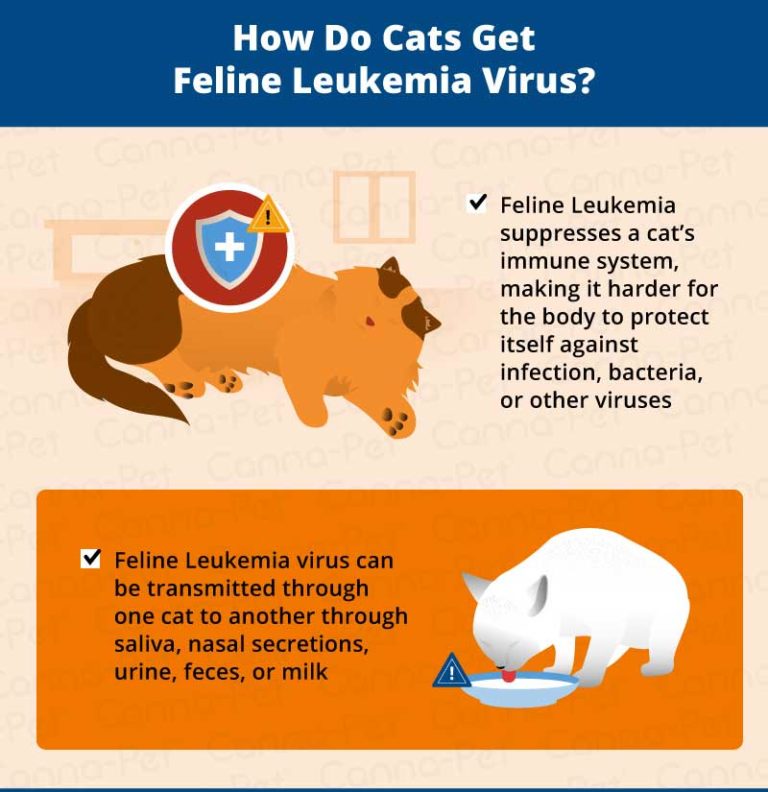
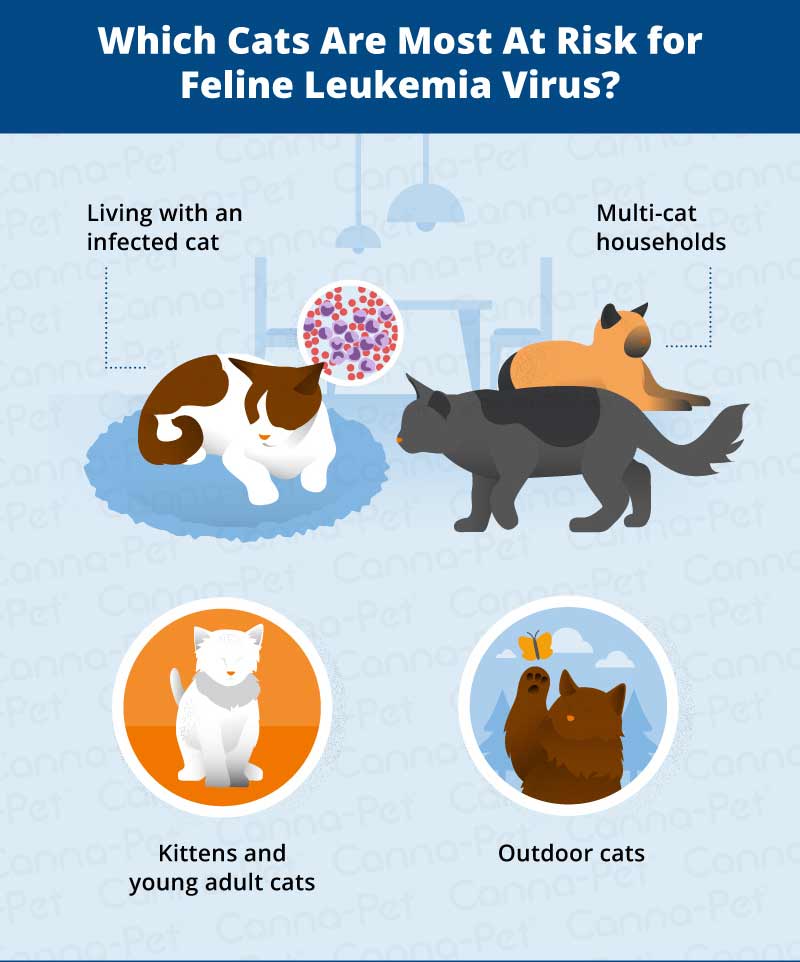
The Feline Leukemia virus is transmitted from cat to cat through close social contact, including mutual grooming, sharing food bowls and litter boxes or trays, and close physical contact such as sleeping together.
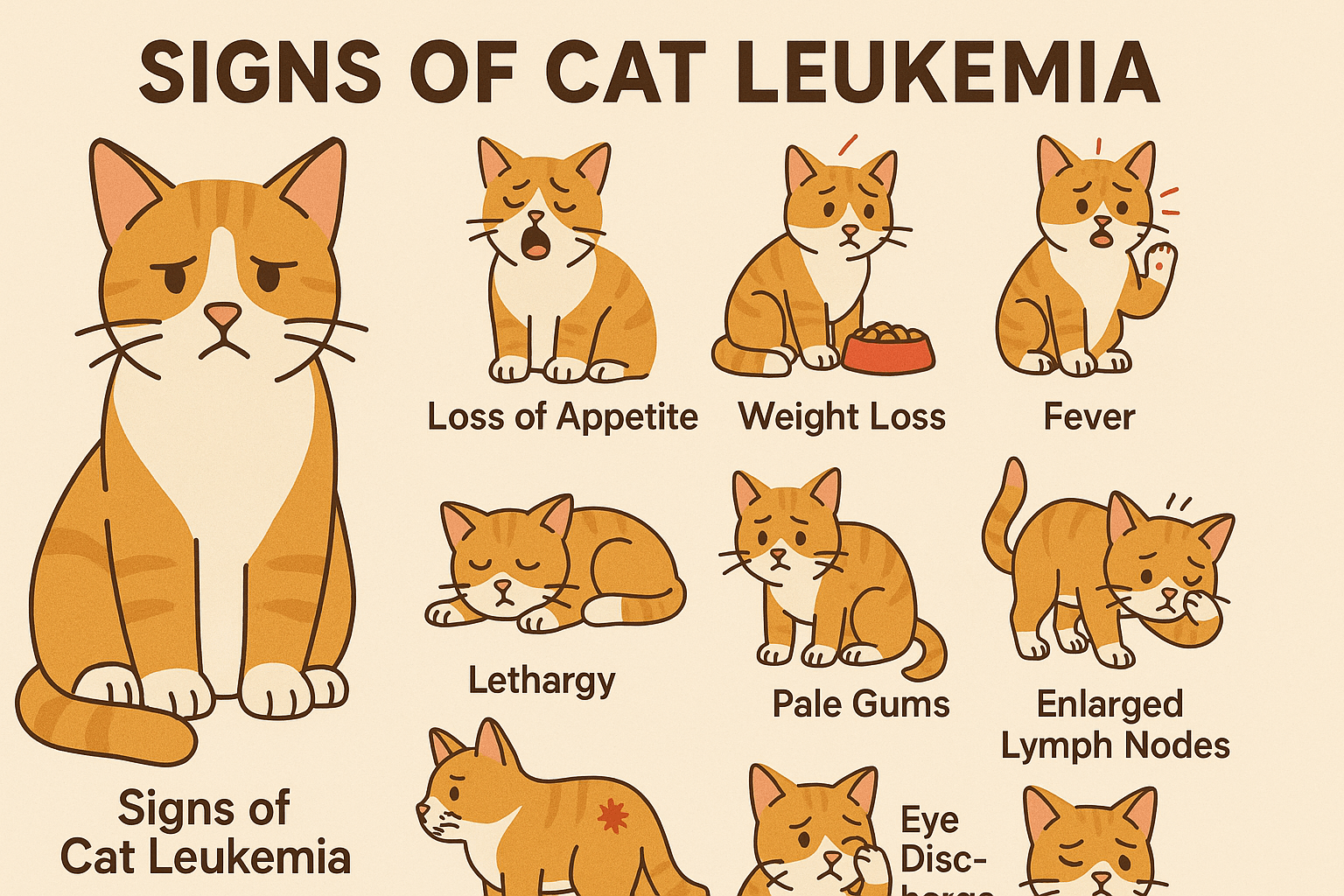
Learn about cat leukemia life expectancy and prognosis, including symptoms, causes, and treatment options for feline leukemia virus infection.
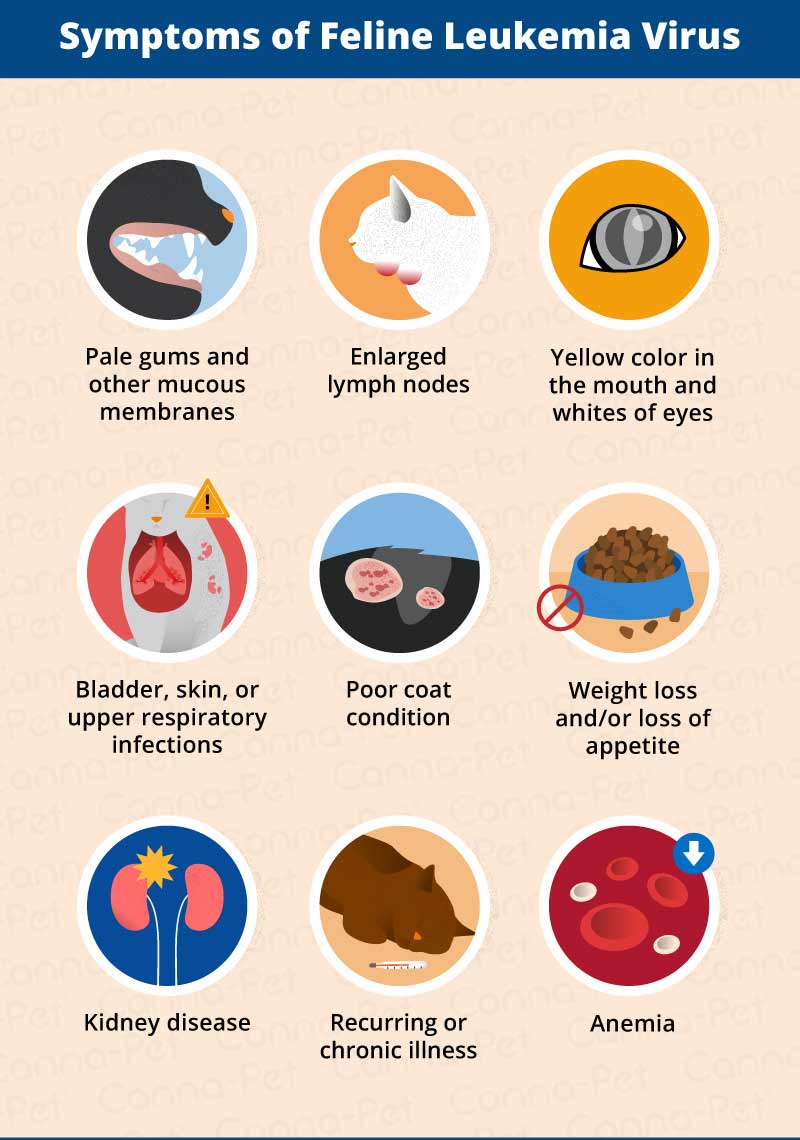
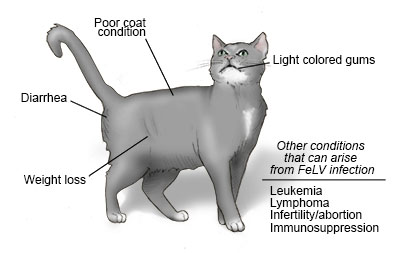
As we can see from the illustration, Social Consequences Adult Cat Leukemia has many fascinating aspects to explore.
Feline Leukemia Virus
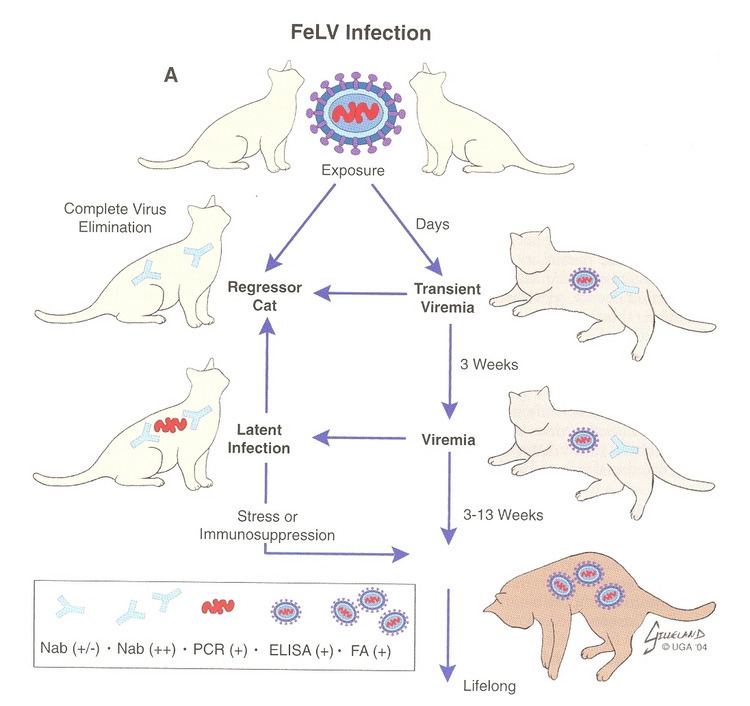
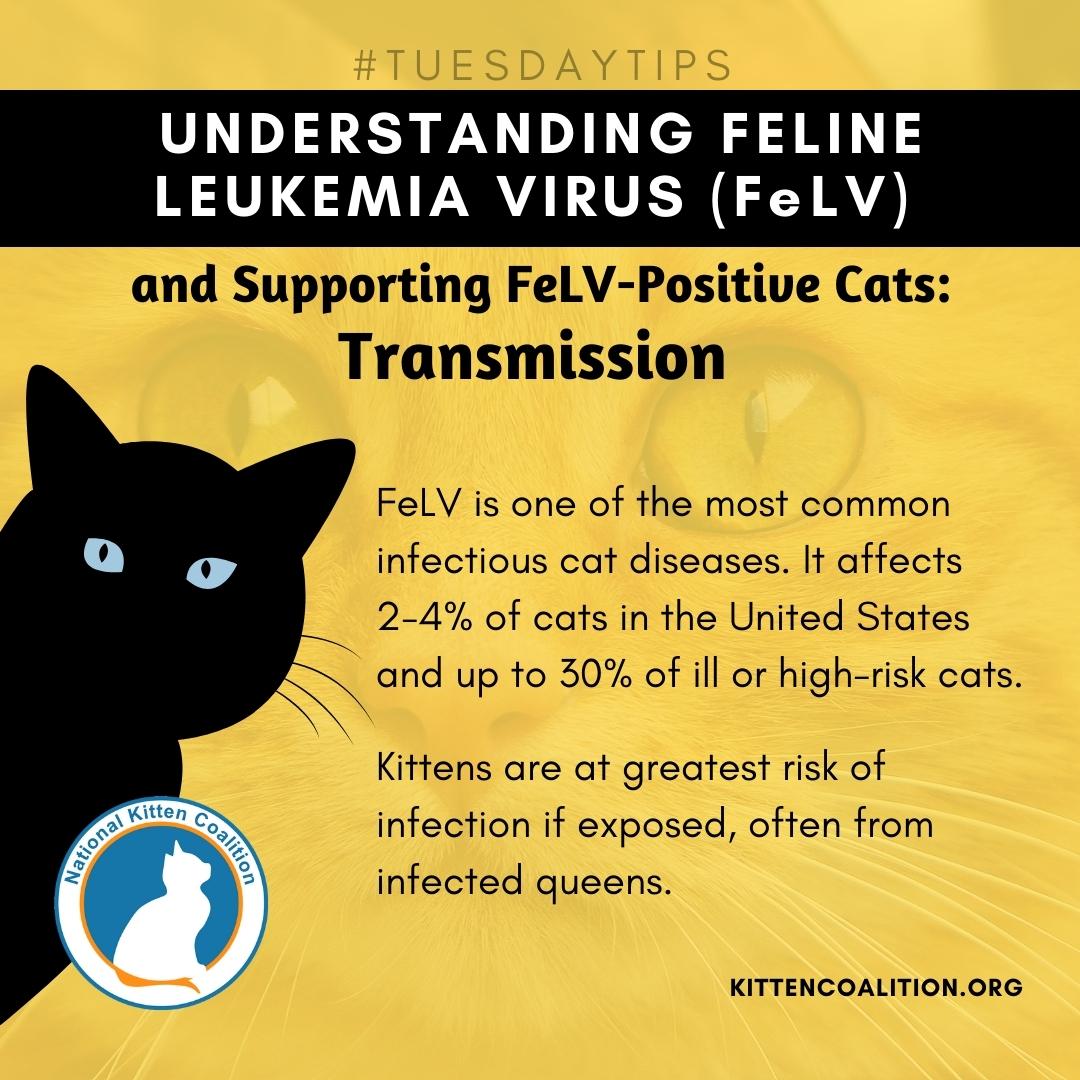
Feline Leukemia Virus Feline leukemia virus (FeLV) is one of the most common and important infectious diseases in cats , affecting between 2-3% of all cats in the United States and Canada. Infection rates are significantly higher (up to 30%) in cats that are ill or otherwise at high risk (see below).

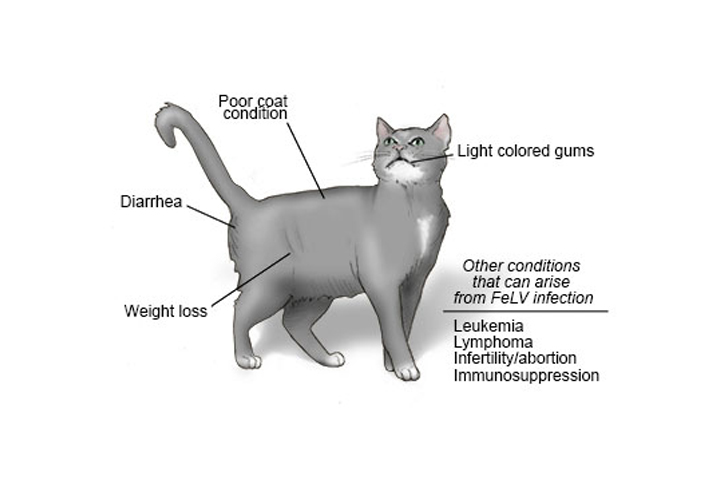
In order to demystify feline leukemia and know how to prevent it, recognize and proceed with its diagnosis, it is necessary for it to be informed. This time, AnimalWised offers you an article to know a little more about the life expectancy of a cat with leukemia . You may also be interested in: What Is the FIV in Cats Life Expectancy?
White Blood Cell Disorders, Leukemia, and Lymphoma of Cats
Additional Notes on Social Consequences Adult Cat Leukemia
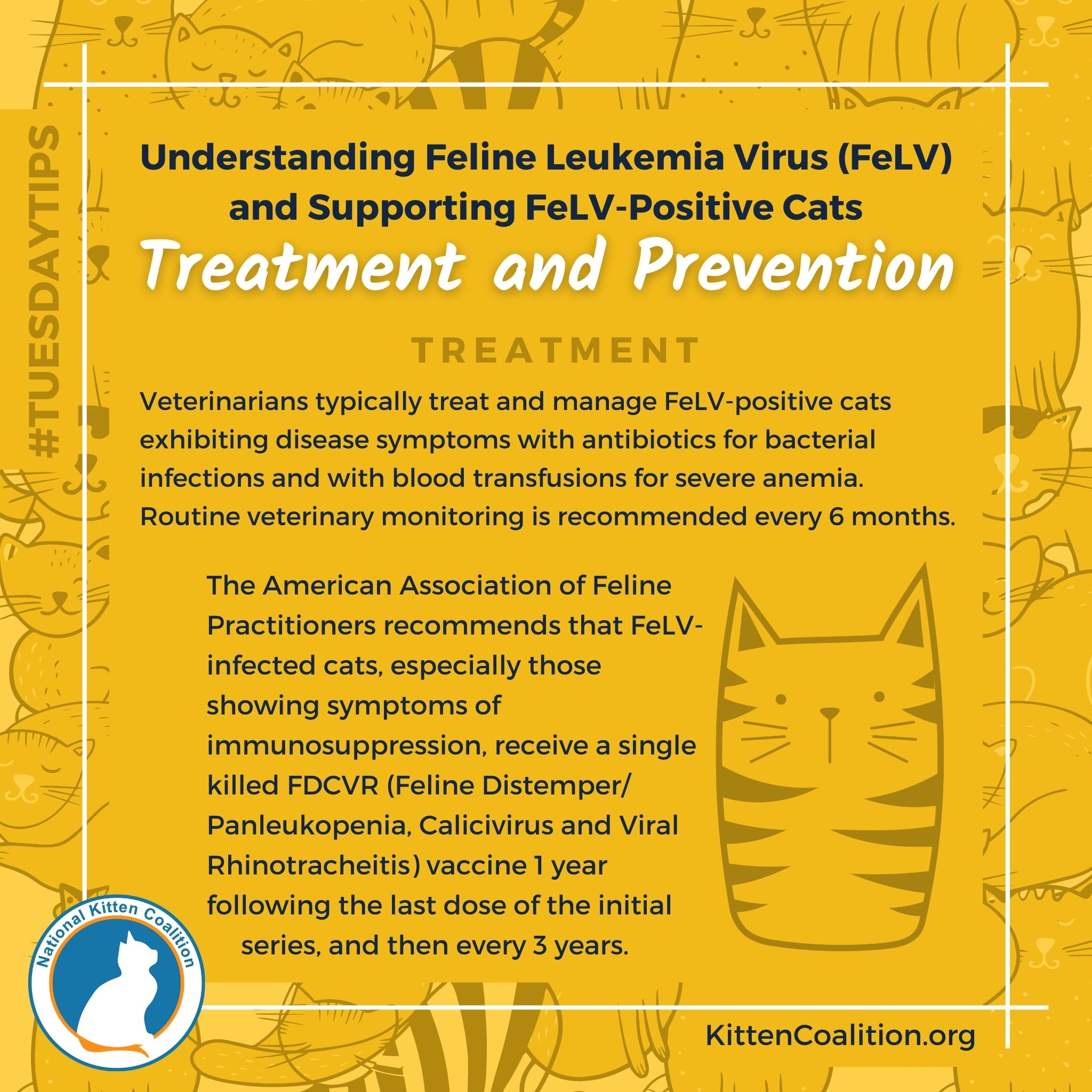
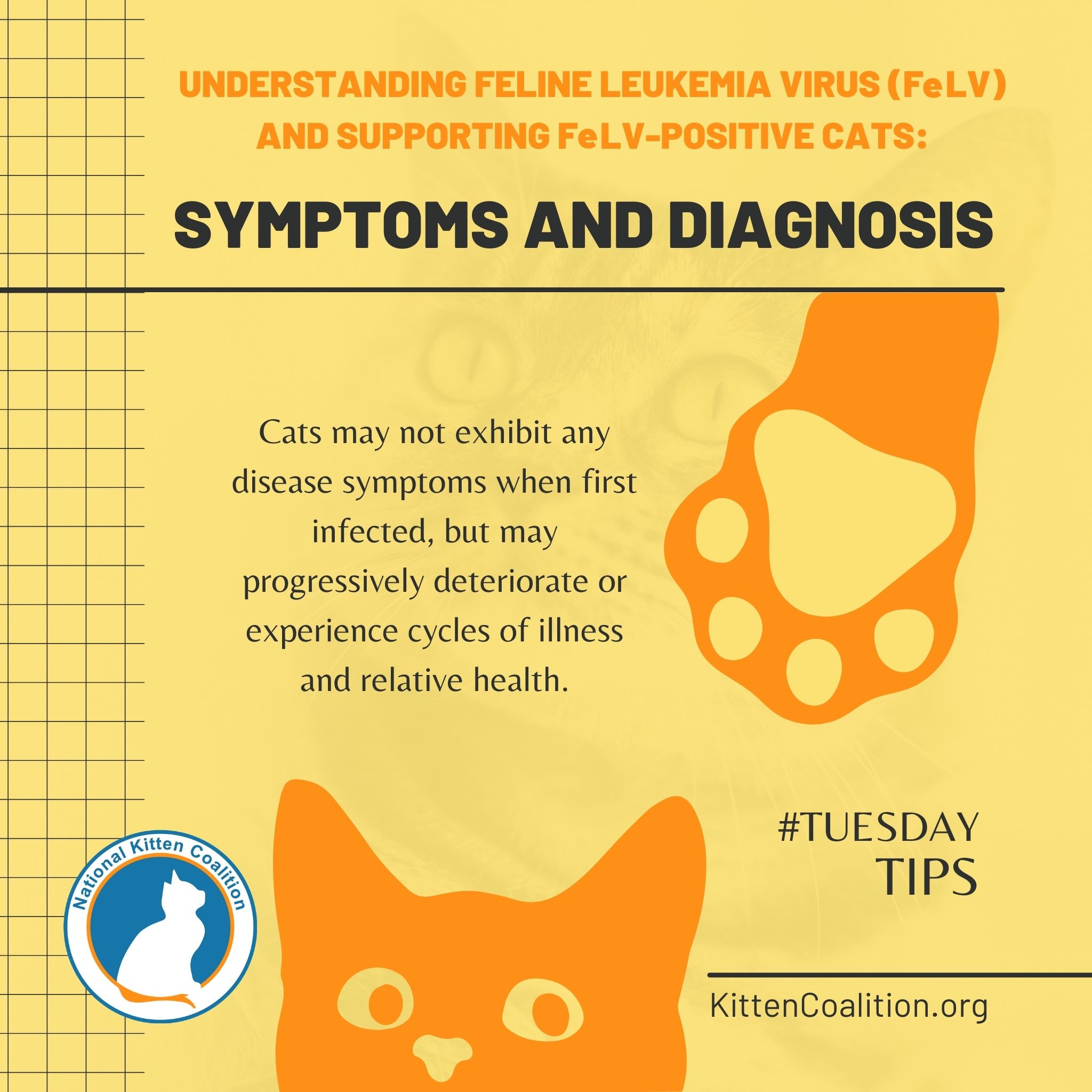
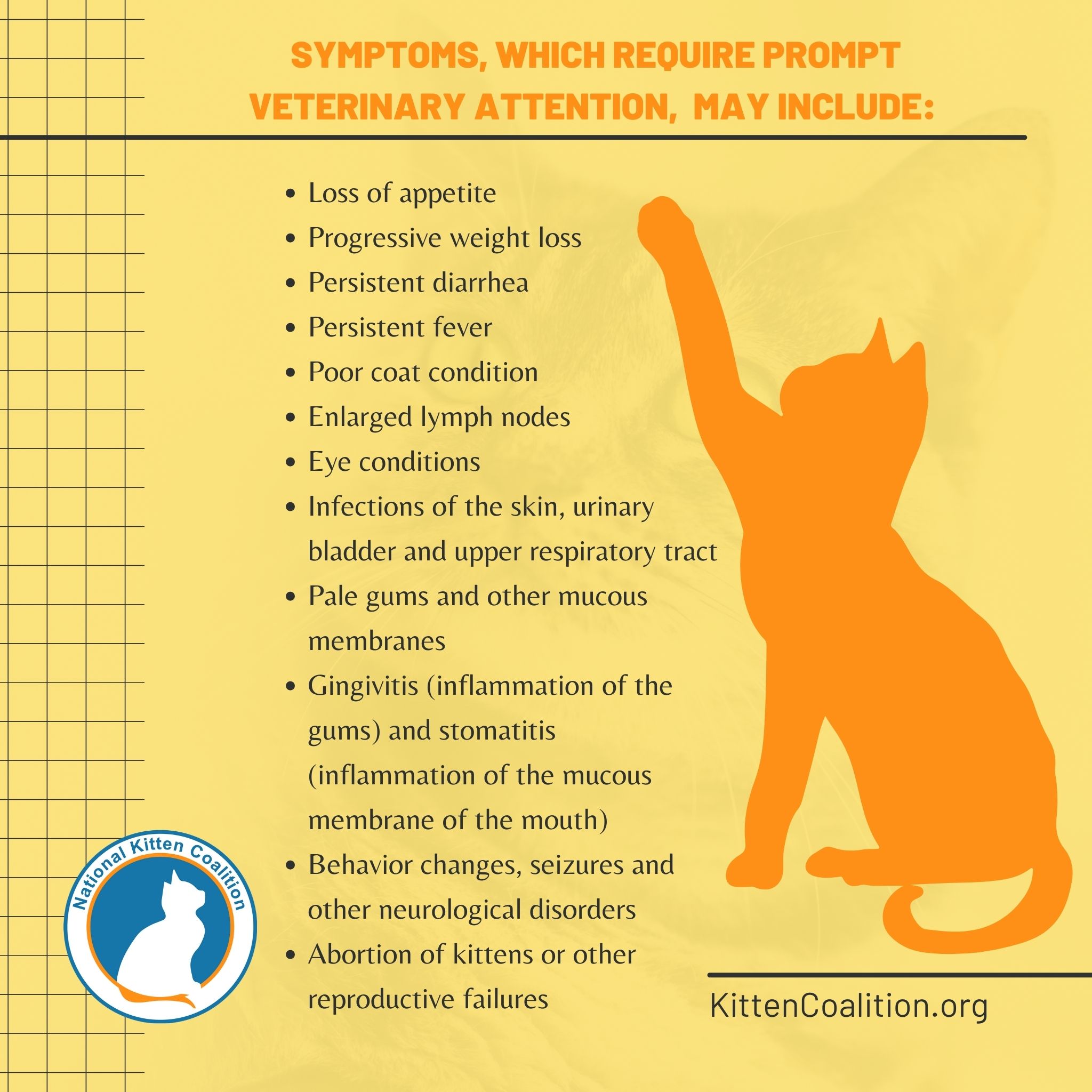
Understanding Feline Leukemia Virus (FeLV) and Supporting FeLV-Positive. For Social Consequences Adult Cat Leukemia, this point helps readers notice the most relevant visual details before moving into the gallery.
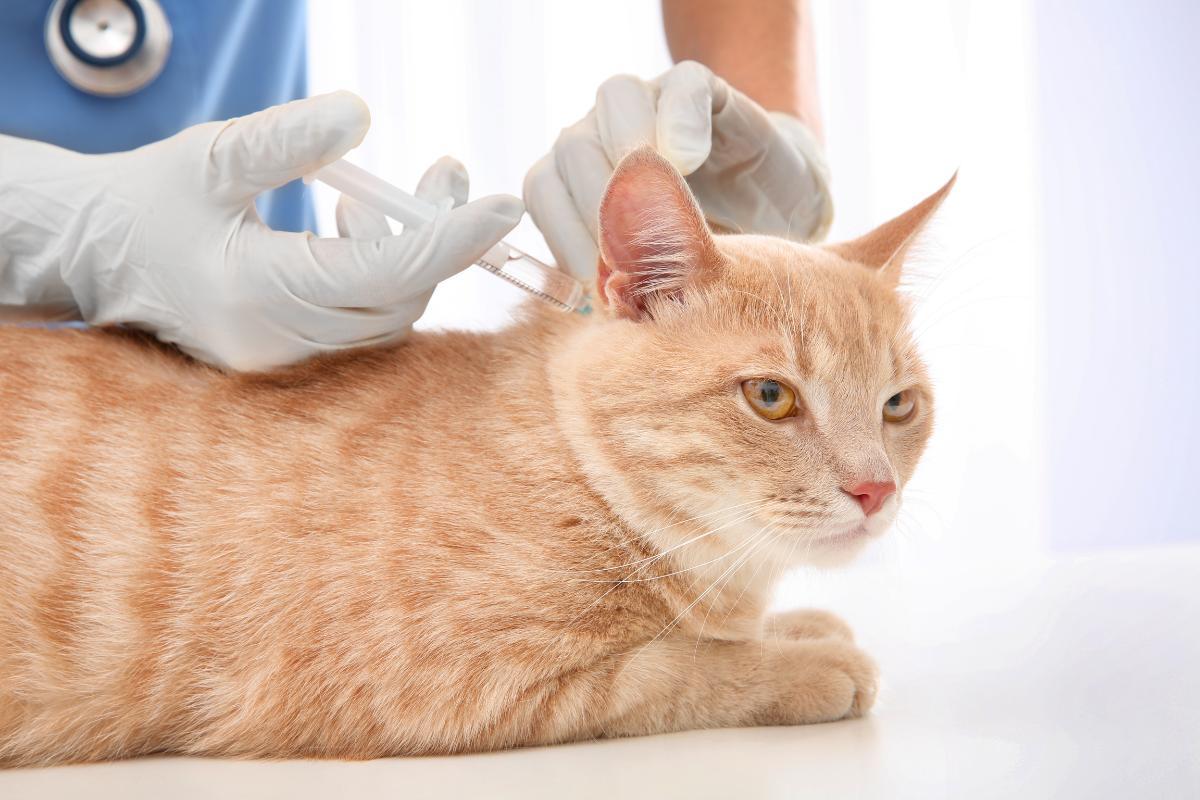
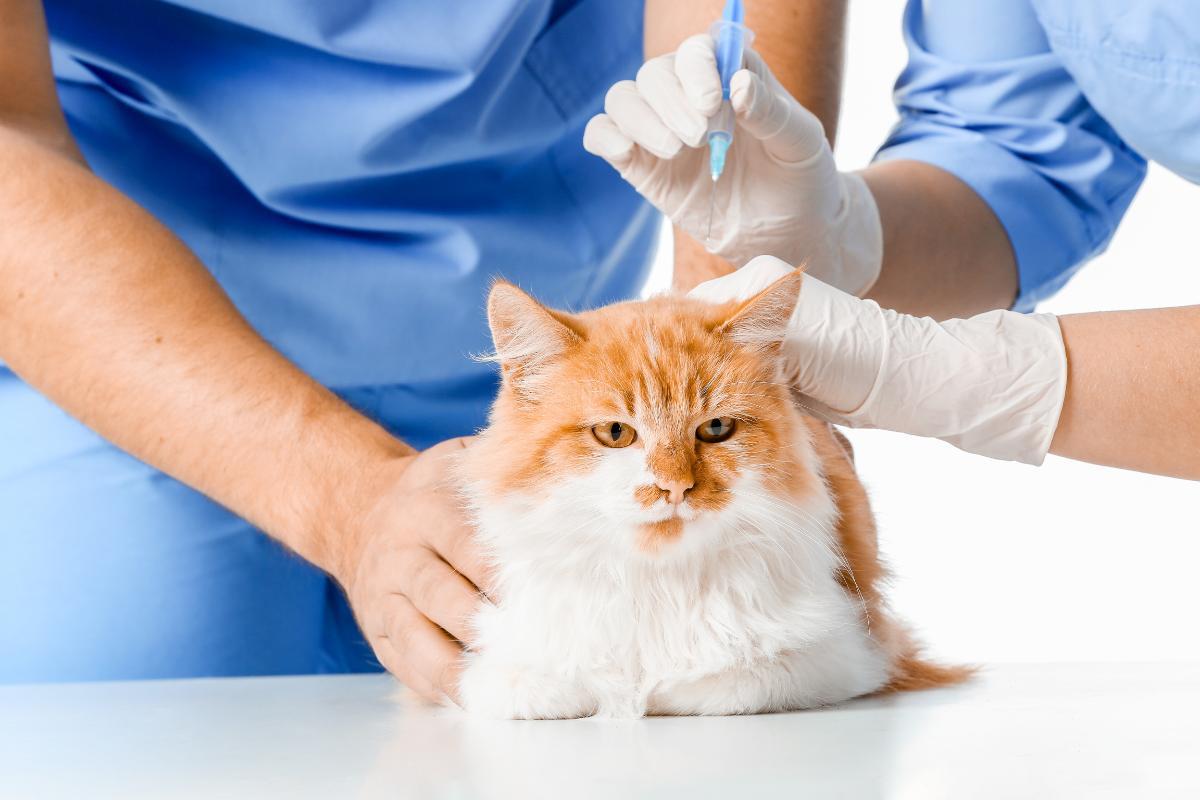
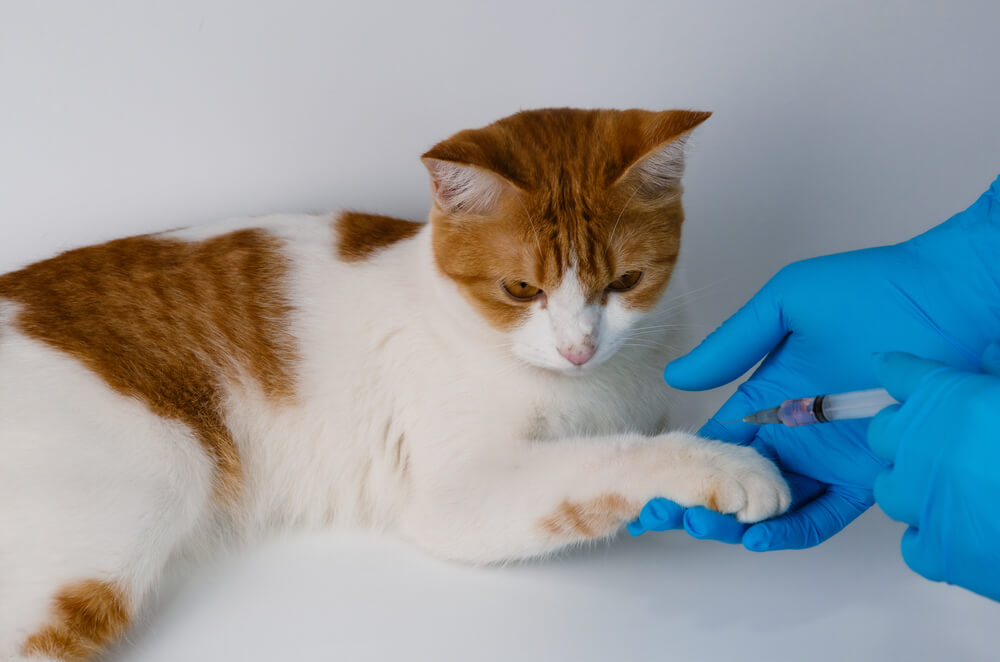
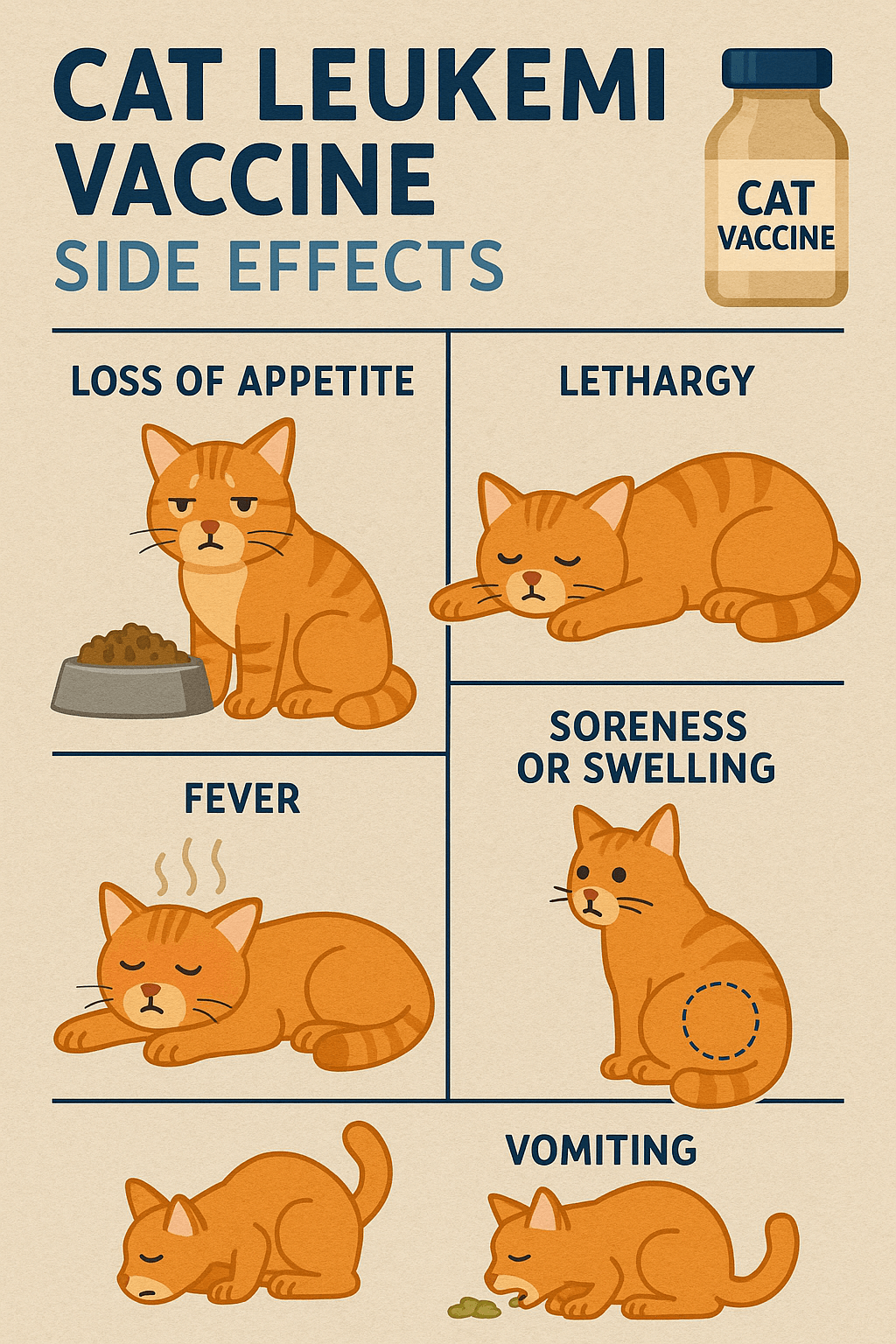
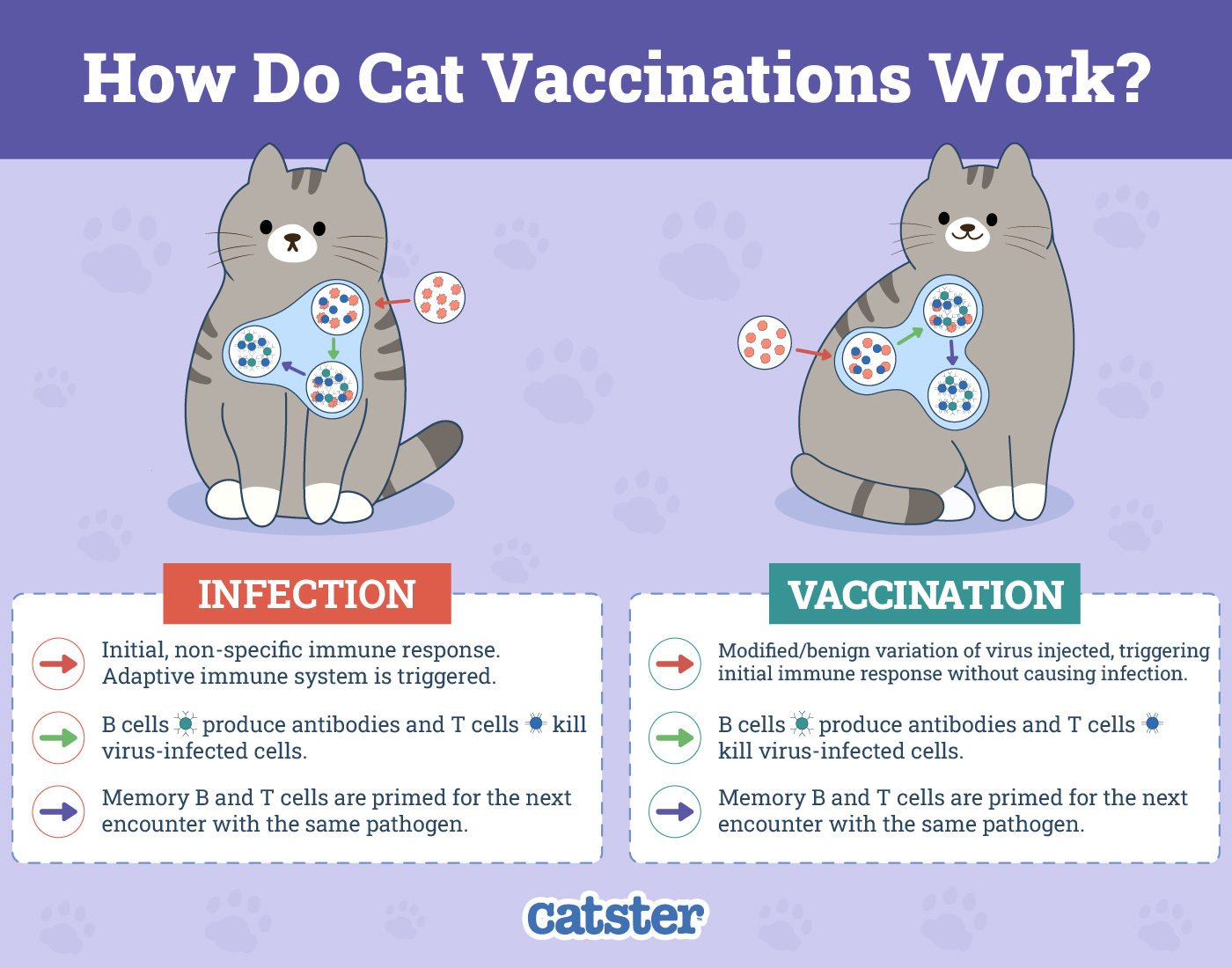
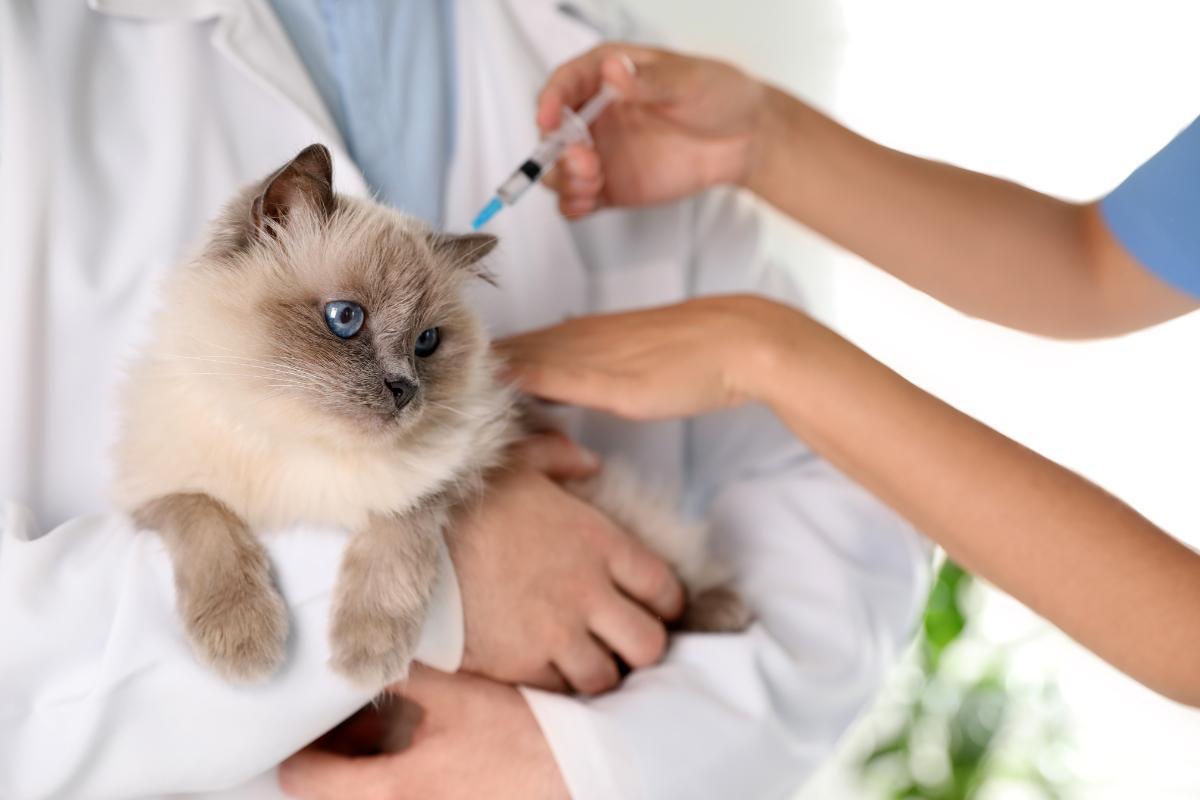
Feline Leukemia Vaccine: Vaccinating Your Cat For FeLV | Dutch. This note connects the source idea with the visuals in a simple, reader-friendly way.
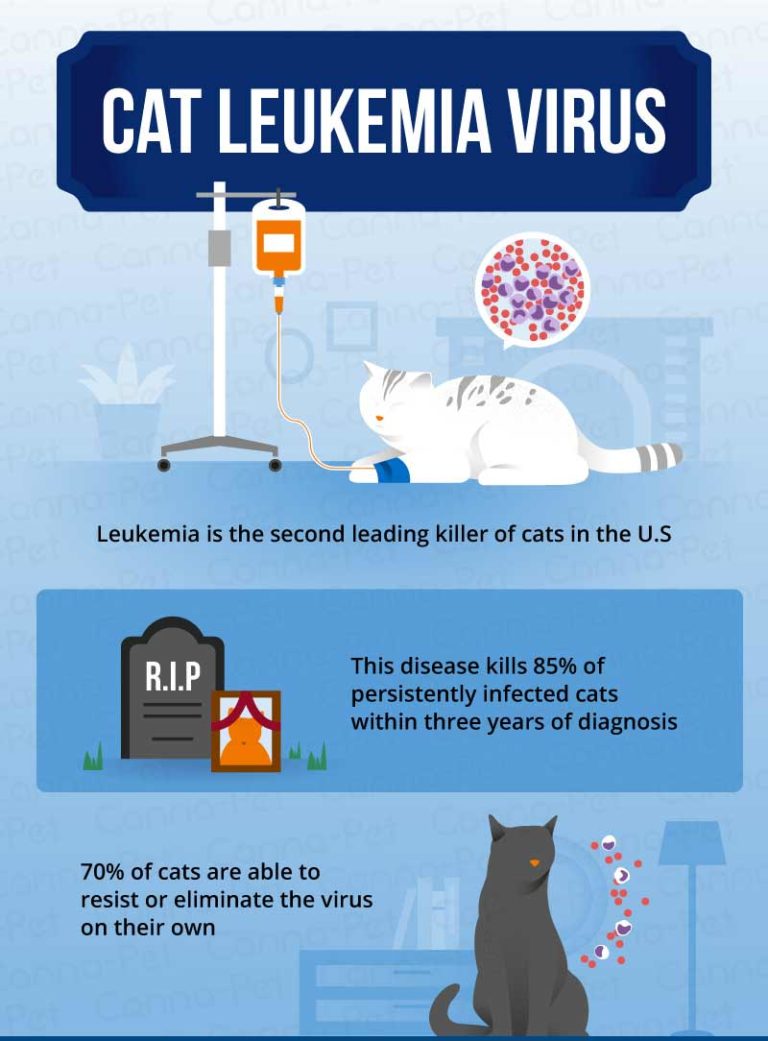
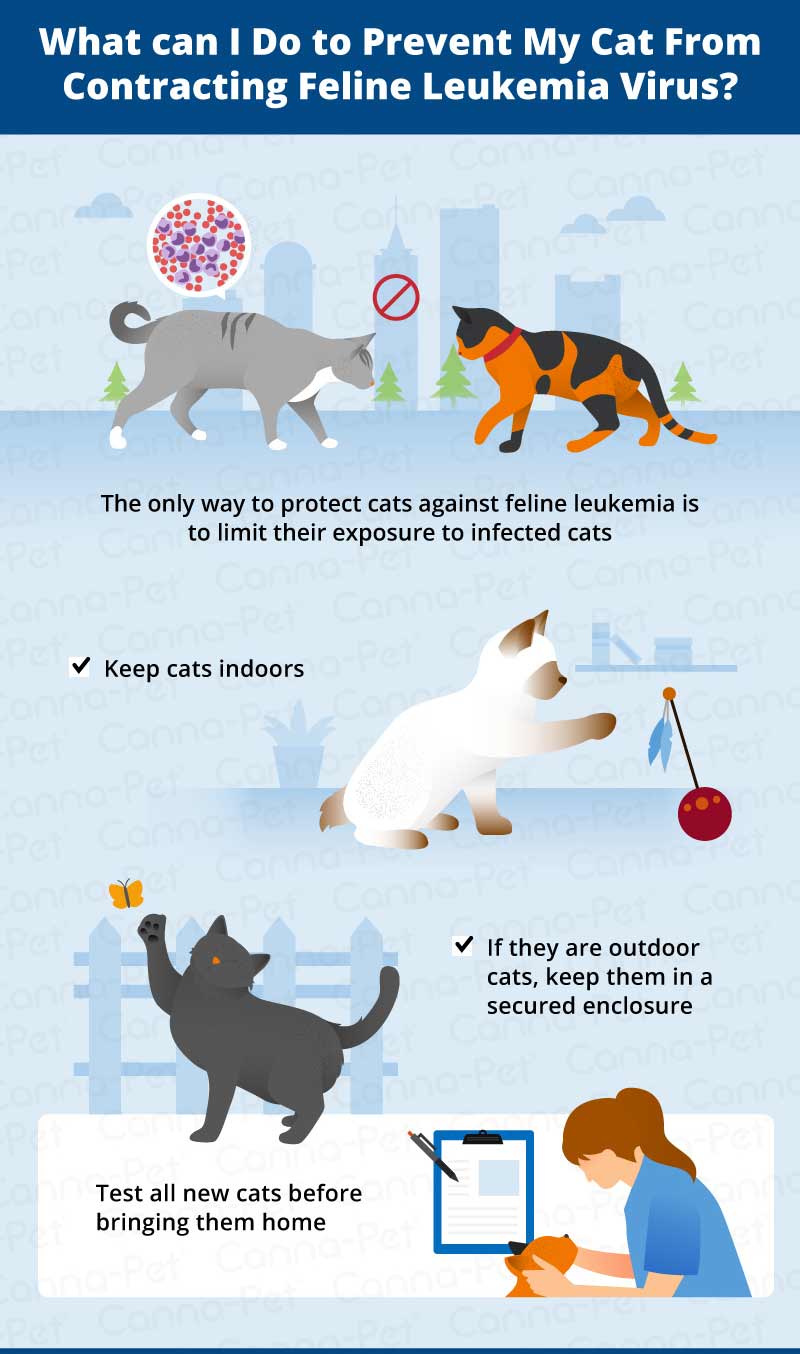
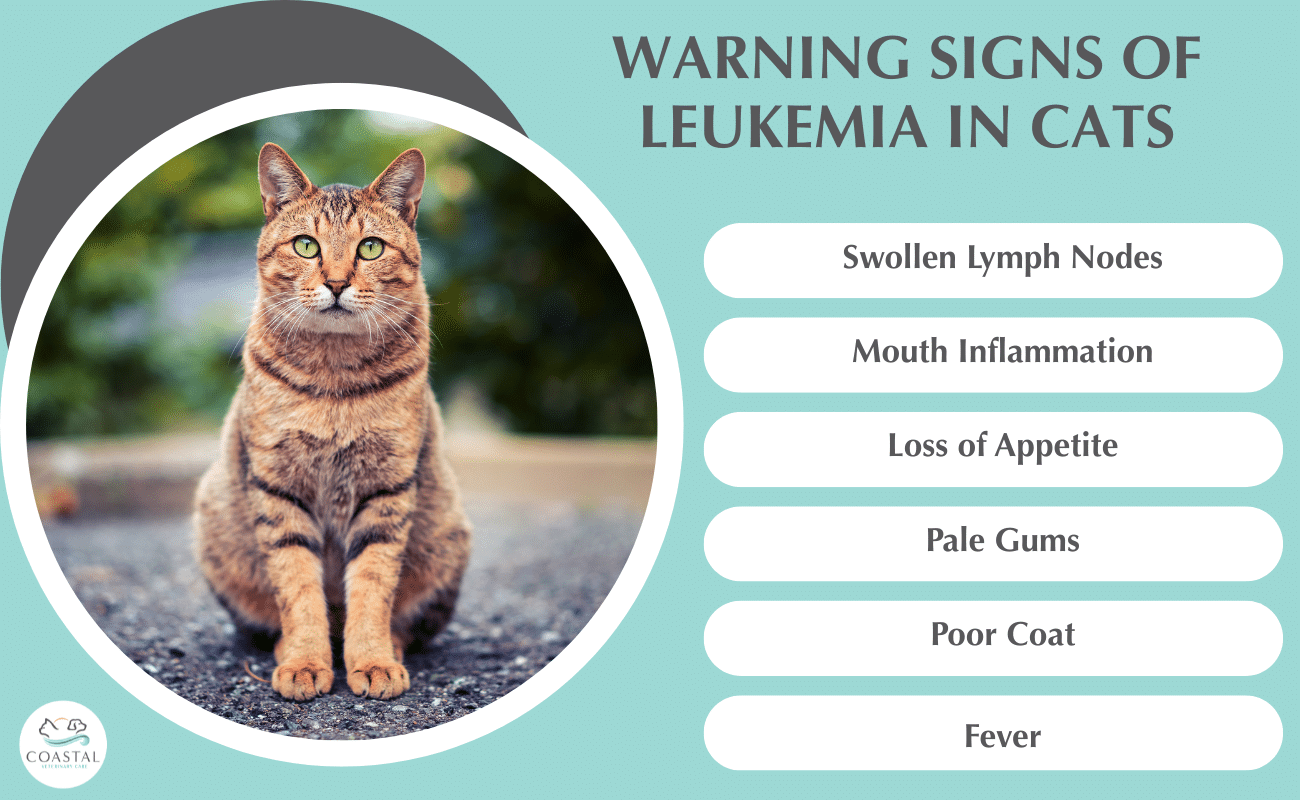
Cat Leukemia: Causes, Signs, & Treatment | Canna-Pet. This note connects the source idea with the visuals in a simple, reader-friendly way.
Looking at multiple sources also helps separate the main idea from small decorative details.
These notes are added so the page offers more than images and gives each visitor a clearer reason to keep reading.